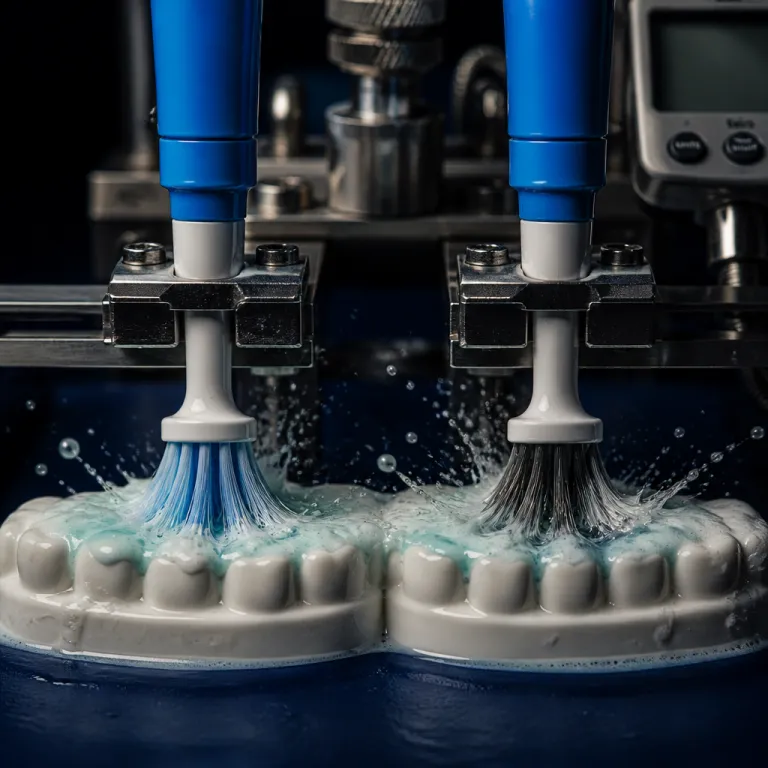
What are toothbrush bristles made of in modern oral care
Most modern toothbrush bristles are made from smooth nylon filaments engineered to clean teeth efficiently without scratching enamel. These synthetic bristles replaced older natural bristles made from animal hair because they absorb less water, harbor fewer bacteria, and keep their shape longer. For anyone comparing manual toothbrushes and an electric toothbrush, understanding what the bristles are made of is the first step toward smarter oral care choices.
Standard nylon is a petroleum based plastic, so every nylon bristle on your brush is ultimately derived from fossil fuels. That petroleum based origin matters if you are trying to reduce plastic in your bathroom or move toward more plant based products for tooth brushing and broader oral care. When you read that toothbrush bristles are made from nylon, you are usually looking at a conventional plastic such as nylon 6 or nylon 6,12 that is durable, flexible, and relatively cheap to manufacture at scale.
On most supermarket toothbrushes, the bristles made from nylon are cut into rounded tips to protect the tooth surface and gums. These toothbrush bristles can be arranged in different patterns on toothbrush heads to target plaque between teeth or along the gumline, especially on an electric toothbrush. Whether you choose soft bristles or medium bristles, the material made from nylon will influence how the brush feels during daily tooth brushing and how gently it treats sensitive areas.
From boar bristles to nylon bristles: how materials evolved
Before nylon existed, many toothbrushes used boar bristles taken from animal hair, which were stiff and absorbed water. Those natural bristles softened when wet, trapped bacteria, and often damaged teeth and gums because each bristle had sharp irregular edges. As oral care science advanced, manufacturers moved away from boar bristles toward synthetic options that were easier to clean, more consistent in quality, and more predictable in brushing performance.
Nylon bristles, first introduced for the modern toothbrush, offered a uniform diameter and smoother bristle tips that were kinder to tooth enamel. These nylon filaments, although petroleum based, allowed engineers to design toothbrush heads with precise bristle patterns for targeted tooth brushing, especially in electric toothbrush models. That shift from natural bristles to nylon bristles made it possible to standardize softness levels, so a soft toothbrush could reliably protect sensitive teeth and gums while still removing plaque effectively.
Today, some consumers still search for natural bristles, but most dentists recommend nylon because it is more hygienic and easier to keep free from trapped food and oil residues. If you are choosing replacement toothbrush heads for an electric toothbrush, you will almost always find nylon bristles listed as the material. For detailed guidance on how to choose the right toothbrush heads for your electric toothbrush, you can consult this in depth guide on selecting the correct brush head type, ideally one that cites clinical studies and regulatory standards.
Bio based and plant based bristles: what changes in your brush
Growing concern about plastic waste has pushed brands to experiment with bio based and plant based bristles made from renewable resources. Some newer toothbrushes use bristles derived partly from castor bean oil, often described as bio based nylon or plant based nylon. In these designs, the castor bean is processed into castor oil, then transformed into a polymer such as PA 10,10 so the final bristle behaves like conventional nylon but is not fully petroleum based.
When you see claims about bio based bristles made from castor bean oil, remember that the bristle is still a type of plastic, just with a percentage derived from plants rather than fossil fuels. These plant based filaments can reduce reliance on petroleum based feedstocks, yet they are not automatically plastic free or fully biodegradable in normal household conditions. For consumers asking what are toothbrush bristles made of in eco focused ranges, the answer is often a blend of bio based nylon and traditional plastic, rather than pure natural fibers, even when packaging highlights renewable content or certifications such as USDA BioPreferred.
Electric toothbrush manufacturers are slowly testing bio based options for toothbrush heads, though most electric models still rely on standard nylon bristles. Off brand brush heads sometimes advertise green sounding materials, but laboratory style testing reported by dental product manufacturers has shown that look alike heads with different bristle plastics can perform worse in plaque removal and wear faster over time. If you are comparing original and generic electric toothbrush heads, this type of analysis of why identical looking brush heads do not clean the same explains how subtle changes in bristle material and density affect real brushing results.
Bamboo toothbrush and bamboo toothbrushes: how sustainable are the bristles
Many people assume that a bamboo toothbrush is completely plastic free, but that is rarely true. While the handle of bamboo toothbrushes is usually made from fast growing bamboo, the toothbrush bristles are almost always nylon or a bio based nylon blend. So when you ask what are toothbrush bristles made of on bamboo toothbrushes, the honest answer is usually synthetic, even if the handle feels very natural in your hand and carries eco friendly branding.
Some brands market bamboo toothbrush heads for an electric toothbrush, combining a bamboo outer shell with nylon bristles inside. These designs reduce plastic in the handle but still rely on bristles made from either petroleum based nylon or plant based nylon derived partly from castor bean oil. If your priority is to keep your teeth healthy while cutting down on plastic, you need to look beyond the bamboo handle and read exactly what the bristle material is based on, including any mention of bio based content percentages.
A few niche products claim to use natural bristles such as boar bristles with bamboo handles, but these are not recommended for modern oral care because they absorb water and harbor bacteria. For most people, a bamboo toothbrush with high quality nylon bristles remains a compromise between sustainability and effective tooth brushing. When evaluating bamboo toothbrushes or bamboo toothbrush heads, focus on whether the bristles are free from sharp edges, whether they are based on reliable nylon, and how easily the handle and bristle components can be separated for recycling or disposal.
Electric toothbrush heads, bristle design, and daily tooth brushing
Electric toothbrush heads concentrate a large number of bristles into a compact area, so material choice directly affects how they glide over teeth. On a typical oscillating or sonic electric toothbrush, the toothbrush bristles are made from soft nylon filaments that flex rapidly to disrupt plaque. Because the motor provides the brushing motion, the bristle tips must be rounded and polished to prevent damage to tooth enamel during high frequency tooth brushing.
Manufacturers fine tune based bristles by varying filament thickness, length, and stiffness, even when all are made from the same nylon. Some premium electric toothbrush heads use a mix of standard nylon bristles and tapered bristles derived from modified nylon to reach deeper between teeth and along the gumline. Others experiment with bio based nylon blends, using castor oil derived polymers to reduce petroleum based content while keeping the same brushing performance, often validated in internal testing or small clinical trials.
Accessories such as wall mounts and hygienic caps also influence how long your electric toothbrush heads stay clean and free from contamination. If you store a wet brush in a closed container, moisture and traces of oil from food can linger on each bristle, encouraging bacterial growth on both nylon and bio based filaments. For better hygiene and space saving storage, many users turn to specialized electric toothbrush wall mounts that keep toothbrushes upright, allow bristles to dry, and protect the tooth brushing area from clutter.
Plastic free ambitions and the reality of toothbrush bristles
Consumers often search for plastic free toothbrushes, yet the reality of what toothbrush bristles are made of is more complex. Even when handles are bamboo or other plant based materials, the bristle itself is usually a form of nylon, whether petroleum based or partly bio based. Truly plastic free bristles made from natural fibers such as boar bristles or horsehair raise hygiene and durability concerns that modern oral care standards and dental guidelines struggle to accept.
Plant based and bio based nylon bristles derived from castor bean oil reduce dependence on fossil fuels but still behave like conventional plastic during use and disposal. These bristles made from castor oil based polymers do not break down quickly in home composting, so they must be removed from bamboo handles before any recycling or composting attempt. When you see labels such as based nylon or bio based nylon on toothbrush packaging, interpret them as a step toward lower petroleum based content, not as a guarantee of fully natural bristles or certified compostability.
For now, the most practical strategy is to choose toothbrushes and electric toothbrush heads that balance effective brushing with reduced material waste. That might mean selecting a durable electric toothbrush with long lasting toothbrush heads, then replacing only the bristle section rather than the entire brush. It also means paying attention to how you store and clean your brush, keeping bristles free from hardened toothpaste and food oil residues so they remain effective for the full recommended lifespan.
How to choose safer, more effective bristles for your teeth
When you stand in front of a shelf full of toothbrushes, focus first on bristle softness and tip quality. Soft or extra soft nylon bristles are kinder to tooth enamel and gums than hard bristles, especially when combined with the powerful motion of an electric toothbrush. Rounded bristle tips, whether made from petroleum based nylon or plant based nylon derived from castor bean oil, reduce the risk of micro scratches on teeth and help prevent gum recession.
Next, consider whether the toothbrush bristles are described as bio based, plant based, or standard plastic, and decide how much weight you give to reduced petroleum based content. A bamboo toothbrush with bio based nylon bristles may offer a better environmental profile than a fully plastic toothbrush, yet both can deliver excellent oral care if the bristle design is sound. For electric toothbrush users, choosing high quality replacement toothbrush heads with well engineered bristles matters more for plaque removal than the handle material alone, as shown in comparative tests published by dental research groups.
Finally, remember that no bristle material can compensate for poor brushing technique or irregular tooth brushing habits. Dentists consistently emphasize two minutes of brushing twice a day, gentle pressure, and coverage of every tooth surface, regardless of whether your brush is manual or electric. If you align your choice of bristles with good daily habits, you can protect your teeth effectively while gradually shifting toward materials that are less heavily based on fossil fuels and more thoughtfully derived from renewable resources.
Key figures on toothbrush bristles and materials
- Global toothbrush production exceeds several billion units annually, and the vast majority use nylon bristles made from petroleum based plastics, according to industry market reports from major oral care manufacturers and summaries by the World Health Organization and other public health agencies.
- Life cycle assessments published by environmental research groups and dental product manufacturers indicate that switching from a fully plastic toothbrush to a bamboo toothbrush with nylon bristles can reduce handle related plastic use by around 80 %, although the bristle component remains synthetic and must still be discarded as plastic waste.
- Studies comparing soft nylon bristles with harder bristles have found that softer bristles cause significantly less enamel wear over several months of tooth brushing, while maintaining similar plaque removal when users follow recommended brushing times, as reported in peer reviewed dental journals such as the Journal of Clinical Periodontology and the Journal of Dentistry.
- Laboratory tests on off brand electric toothbrush heads have reported up to 30 % lower plaque removal in some models, largely due to differences in bristle density, filament quality, and tip rounding, even when the heads appear visually identical to original versions, according to manufacturer sponsored in vitro studies.
- Surveys of consumers interested in plastic free products indicate that many incorrectly assume bamboo toothbrushes use natural bristles, highlighting a persistent gap between marketing messages and the technical reality of what toothbrush bristles are made of, as noted in reports by sustainability focused market research firms.
FAQ: materials and safety of toothbrush bristles
Are nylon toothbrush bristles safe for daily use on teeth
Nylon toothbrush bristles are considered safe for daily tooth brushing when they are soft and have rounded tips. Regulatory agencies and dental associations accept nylon as the standard material for modern toothbrushes because it is durable, smooth, and resistant to water absorption. The main safety concern is not the nylon itself but using bristles that are too hard or worn, which can damage tooth enamel and gums.
Do bamboo toothbrushes use fully natural bristles
Most bamboo toothbrushes do not use fully natural bristles, even though the handle is made from bamboo. In almost all cases, the toothbrush bristles are nylon or a bio based nylon blend derived partly from castor bean oil. If a product claims to use natural bristles such as boar bristles, it may raise hygiene issues and is usually not recommended by dental professionals.
What does bio based or plant based nylon mean on toothbrush packaging
When toothbrush packaging mentions bio based or plant based nylon, it usually means that some of the raw material for the bristles is derived from renewable sources such as castor bean oil. The resulting bristle is still a plastic filament, but it relies less on petroleum based feedstocks. These bristles are not fully biodegradable in normal conditions, so they should be disposed of similarly to conventional nylon bristles and not placed in home compost.
How often should I replace electric toothbrush heads
Most dental guidelines recommend replacing electric toothbrush heads every three months, or sooner if the bristles splay or lose their shape. Worn bristles made from nylon or bio based nylon clean teeth less effectively and can become rougher on gums. If you notice frayed bristles or a change in brushing feel, it is time to fit a new head on your electric toothbrush.
Can I recycle toothbrush bristles or toothbrush heads
Standard household recycling systems rarely accept toothbrush bristles or complete toothbrush heads because they combine small pieces of plastic, metal, and sometimes rubber. Some specialized recycling programs run by oral care brands or local schemes accept used toothbrushes and electric toothbrush heads for processing. At home, you can reduce waste by choosing durable handles, separating bamboo handles from nylon bristles where possible, and replacing only the brush head rather than the entire toothbrush.