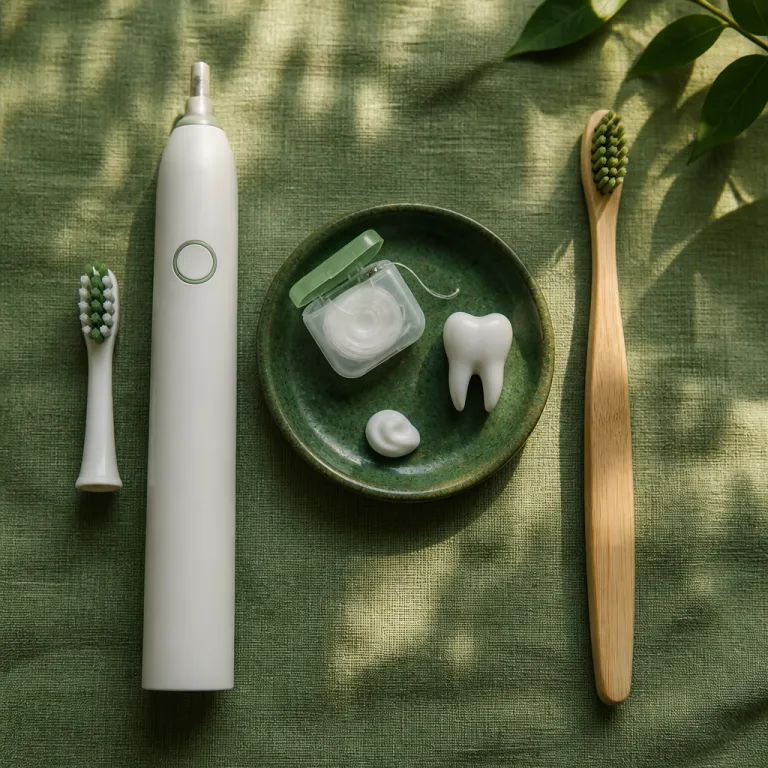
What the clinical evidence really says about electric versus manual
Ask ten dentists whether you need an electric toothbrush and you will hear ten subtly different answers. Some will strongly recommend electric toothbrushes for better plaque removal, while others insist a simple manual toothbrush can match any powered toothbrush if you brush teeth with near-perfect technique. That split is not about opinion alone, it reflects how they interpret the same body of oral health research.
Across decades of controlled trials, electric toothbrushes consistently show modest but real advantages for plaque control and gingivitis reduction. A landmark Cochrane systematic review by Yaacob et al. (2014, Cochrane Database Syst Rev 2014; CD002281) pooled data from over 5,000 participants across 56 randomized controlled studies and reported that powered toothbrushes reduced plaque by about 11 percent more than manual toothbrushes at one to three months and by roughly 21 percent more after longer follow up. The authors concluded that the benefit was statistically significant but modest in absolute clinical terms, especially for otherwise healthy adults. When you hear a dentist recommend electric options, they are usually thinking about those numbers and the everyday reality that most people do not brush long enough or with ideal manual brushing technique.
Oscillating rotating and sonic electric toothbrush designs do not perform identically, which adds another layer to the debate. A large meta analysis of oscillating rotating brushes, including several Procter & Gamble funded trials of Oral B models with sample sizes in the hundreds, has reported that around 72 percent of participants transitioned to gingival health, compared with only about 21 percent using a manual toothbrush. That difference sounds dramatic until you examine the industry sponsorship, relatively short study durations, and how plaque and bleeding scores were defined. Another randomized crossover trial with roughly 100 adults, often cited in manufacturer summaries, showed about 21 percent less cumulative plaque regrowth over eight days with an oscillating powered toothbrush compared with a manual brush, but that brief timeframe leaves questions about long term oral hygiene habits and real world adherence. Dentists who stay skeptical often point to these limitations, the heavy involvement of manufacturers in funding dental research, and the fact that many of these trials are reported in company white papers rather than fully independent journals.
Brand ecosystems complicate the picture further, especially for readers already using electric toothbrushes. Philips and Oral B dominate the powered toothbrushes market, and many clinicians have hands on experience with Philips Sonicare sonic models and Oral B oscillating rotating heads. When a dentist seems to recommend electric options from one brand, it may reflect familiarity with a specific brush head design, clinical training courses, or in office demonstrations rather than a belief that all electric toothbrushes outperform all manual brushes in every oral health scenario.
For plaque removal specifically, sonic models such as Philips Sonicare tend to emphasize fluid dynamics and microbubbles around the teeth, while oscillating designs focus on direct mechanical disruption of plaque at the gum line. Some small independent studies suggest that Philips Sonicare toothbrushes excel at gentle brushing for people with early gum disease and sensitive gums, whereas oscillating heads may remove more plaque in tight spaces when used correctly with a slow, tooth by tooth technique. That nuance rarely appears on a toothbrush box, yet it heavily shapes how individual dentists answer the question do dentists recommend electric toothbrushes when patients ask during routine dental checkups.
Time is the quiet variable behind many of these disagreements about electric toothbrush benefits. A brushing time meta analysis by Heasman and colleagues (for example, Heasman PA et al., J Clin Periodontol 2015; 42 Suppl 16: S7–S16), which combined data from several hundred participants, showed that two full minutes of brushing, whether with manual brushes or powered toothbrushes, significantly improves plaque scores compared with shorter sessions of 30 to 60 seconds. Dentists who focus on behaviour argue that a cheap manual toothbrush plus a strict two minute timer can rival an expensive electric toothbrush, while colleagues who recommend electric models counter that built in timers, quadrant pacers, and pressure sensors make it far easier for real people to reach that two minute target every single morning and night, and to repeat that routine consistently over months and years.
Why some dentists still defend manual brushes
Plenty of dentists look at the same plaque and gingivitis data and still feel comfortable telling healthy adults that a manual toothbrush is enough. Their argument is simple, they say that technique, consistency, and overall oral hygiene matter more than whether the brush is electric or manual. In their view, the question do dentists recommend electric toothbrushes is less important than whether patients actually clean every tooth surface twice a day and follow the brushing instructions they have been given.
These clinicians often see patients who use electric toothbrushes but still present with plaque, tartar, and early gum disease because they rush or miss the same areas every time. From that chair side perspective, the powered toothbrush is not a magic device, it is just another tool that can be misused. When they compare manual brushing with powered brushing in real mouths rather than in controlled studies, they frequently find that the most diligent manual brush users have better oral health than distracted electric users who rely on technology to compensate for poor habits and inconsistent brushing routines.
Cost and accessibility also shape this more cautious stance on whether to recommend electric options. A solid manual toothbrush can be bought for a fraction of the price of an electric toothbrush, and replacement manual brushes are widely available even in small pharmacies and supermarkets. For patients on tight budgets, dentists may worry that suggesting a premium Philips Sonicare or similar powered toothbrushes, with a new brush head needed every three months and occasional battery replacements or charging stands, could create financial pressure without a guaranteed improvement in dental health outcomes.
Another concern is the perceived risk of over brushing with powerful motors and stiff brush heads. Some dentists report seeing abrasion notches near the gum line and recession in patients who press too hard with an electric toothbrush, especially when the model lacks a pressure sensor or when patients ignore the warning light. They argue that a soft manual toothbrush gives more tactile feedback, which can help patients feel when they are scrubbing their teeth and gums too aggressively during daily brushing routines and encourage a lighter touch.
Bias in the research base also fuels skepticism about blanket attempts to recommend electric devices. Many of the most cited plaque removal and gingivitis studies are funded by large oral care companies, including Procter & Gamble for Oral B and Philips for Sonicare, which naturally raises questions about design choices, sample selection, and reported outcomes. When a meta analysis or randomized trial shows a small advantage for electric toothbrushes, these dentists ask whether the same result would appear if independent academic teams ran the same study with no industry funding included at any stage and with longer follow up.
For patients who want structured guidance on choosing between manual toothbrushes and electric toothbrushes, some clinicians point them toward curated buying guides or practice produced handouts rather than brand advertising. A detailed resource on choosing the right toothbrush pack for your needs can help you weigh brush head options, handle ergonomics, and replacement costs without marketing gloss. In those conversations, the dentist may still say they do not universally recommend electric models, but they will acknowledge that a well chosen powered toothbrush can be a smart upgrade for specific people with specific oral health goals, such as managing gingivitis or cleaning around orthodontic appliances.
Where electric toothbrushes clearly win for real people
When you move from theory to real life mouths, there are groups of patients for whom most dentists do recommend electric toothbrushes without hesitation. People with limited hand dexterity, such as those with arthritis, stroke related weakness, or neurological conditions like Parkinson’s disease, often struggle to control a manual toothbrush effectively. For them, a powered toothbrush that automates the brushing motion and guides the brush head along the teeth can be the difference between chronic plaque buildup and stable oral health.
Orthodontic patients with fixed braces are another group where electric toothbrushes shine. Brackets and wires create countless plaque traps that defeat many manual brushes, and even diligent manual brushing can leave food debris around the gum line and between brackets. Sonic and oscillating powered toothbrushes, especially models with small orthodontic brush heads or interspace tips, can reach around hardware more effectively and reduce the risk of decalcification spots, white marks, and early gum disease during long term orthodontic treatment.
People with a history of gingivitis or periodontitis often benefit from the consistency that electric toothbrushes impose. Built in timers, quadrant pacers, and pressure sensors help standardize brushing sessions, which matters when you are trying to control inflammation and prevent further bone loss around vulnerable teeth. In these cases, dentists who usually defend manual toothbrushes may still recommend electric models because the stakes for oral hygiene are higher and the margin for error is smaller, especially between professional cleanings.
For sensitive mouths, the choice of brush head and mode can be more important than the brand name on the handle. Philips Sonicare models, for example, offer softer gum care modes and smaller brush heads that glide gently along the gum line while still disrupting plaque and biofilm. If you have sensitive teeth and are comparing manual versus electric options, a curated list of top electric toothbrushes for sensitive teeth or a dentist’s personalized recommendation can help you find a powered toothbrush that cleans effectively without triggering discomfort during daily brushing.
Timers are the underrated feature that quietly answers the question do dentists recommend electric toothbrushes for everyday users. Most people with manual brushes significantly under estimate how long they brush teeth, often stopping after barely a minute, which leaves plaque behind and undermines oral hygiene. A powered toothbrush that insists on a full two minute cycle, with thirty second prompts for each quadrant, removes that guesswork and gently trains better brushing habits over the long term, even for people who dislike watching a separate timer.
Electric toothbrushes also integrate well with other oral care tools that dentists like to see in high risk patients. When someone already uses a water flosser nightly to flush plaque and food from between teeth, adding a consistent powered brushing routine can amplify the benefits for gum health and bleeding reduction. For readers wondering whether an electric toothbrush really cleans your teeth better, a detailed analysis of how electric models perform compared with manual brushes can clarify how these tools fit into a broader oral health strategy rather than acting as stand alone gadgets or quick fixes.
A practical framework to decide if you personally need an electric brush
The most honest answer to do dentists recommend electric toothbrushes is that good clinicians recommend specific tools for specific mouths, not one device for everyone. Start by assessing your current oral health, including whether your dentist has mentioned plaque buildup, bleeding gums, enamel wear, or early gum disease at recent checkups. If your dental health is stable and you already use a soft manual toothbrush for a full two minutes twice a day, you may not urgently need to switch to a powered toothbrush.
Next, examine your habits with brutal honesty, not optimism. Do you actually brush teeth for the full recommended duration, or do you stop when your mind wanders and the sink looks foamy enough? If you routinely rush or skip areas, an electric toothbrush with a built in timer and gentle pacing cues can act like a coach that keeps your brushing on track even when you are tired, distracted, or running late.
Consider your dexterity and comfort with fine motor tasks, because that is where powered toothbrushes often justify their cost. If you struggle to angle a manual toothbrush correctly along the gum line, behind the last molars, or around dental work such as crowns and implants, the automated motion of an electric toothbrush can compensate for that limitation. People who travel frequently may also appreciate the convenience of a long lasting battery, compact travel cases, and a simple brush head system, especially when replacement heads are included in multi pack bundles that last three months or more per head.
Brand ecosystems matter most for readers who already own electric toothbrushes and are thinking about upgrading. If you are invested in Philips Sonicare, for example, you may prefer to stay within that line so you can keep using familiar brush heads and charging stands. In that case, the question is not whether to recommend electric at all, but which specific electric toothbrush offers the best balance of plaque removal, gum comfort, smart features, and battery life for your particular oral hygiene priorities.
Whatever you choose, remember that no toothbrush replaces flossing or interdental cleaning. A water flosser or traditional string floss remains essential for cleaning between teeth, where neither manual brushes nor powered toothbrushes can reach effectively. Dentists who seem divided on electric versus manual options are usually united on this point, they care far more about your overall oral hygiene routine, including interdental cleaning and diet, than about the logo on your toothbrush handle.
In the end, the best brush is the one that helps you maintain healthy gums and clean teeth with the least friction in your daily life. For some, that will always be a simple manual toothbrush with soft bristles and a familiar feel in the hand. For others, especially those with a history of gingivitis, orthodontic hardware, or inconsistent habits, an electric toothbrush can turn good intentions into reliable routines, not through flashy features but through quiet, repeatable brushing that works every ordinary morning.
Key statistics on electric and manual toothbrush performance
- The Cochrane review by Yaacob et al. (2014, Cochrane Database Syst Rev; CD002281), which analyzed 56 randomized controlled trials and more than 5,000 participants, found that electric toothbrushes reduced plaque by roughly 11 percent more than manual toothbrushes after one to three months of use, and by about 21 percent more after longer follow up, highlighting a modest but measurable advantage for powered brushing over time.
- In a randomized crossover trial of oscillating rotating brushes versus manual brushes, with around 100 adult volunteers and short term follow up, participants showed about 21 percent less cumulative plaque regrowth over eight days with the powered brush, suggesting that electric motion can slow plaque accumulation even when brushing habits remain otherwise unchanged.
- Meta analytic data on brushing duration, including work by Heasman and colleagues (J Clin Periodontol 2015; 42 Suppl 16: S7–S16), indicate that extending brushing time from one minute to two minutes, regardless of whether the brush is electric or manual, significantly improves plaque scores and gingival health, underscoring the importance of time and technique over tool alone.
- One large meta analysis of oscillating rotating electric toothbrushes, drawing heavily on Procter & Gamble sponsored Oral B studies, has reported that 72 percent of users achieved gingival health compared with 21 percent of manual toothbrush users, although most of the included trials were industry funded, which has led some dentists to interpret these results cautiously and to call for more independent replication.
- Consumer testing organizations and independent dental schools have repeatedly observed that diligent manual brush users who follow a two minute routine and clean all tooth surfaces can match or exceed the plaque control of casual electric toothbrush users, reinforcing the clinical message that behaviour and consistency remain central to oral health outcomes.