Key features that separate a 30 brush from a true premium model
Price differences between electric toothbrushes can be dramatic, but the gap usually reflects real changes in features and build quality. A basic electric toothbrush may offer a single brushing mode and a simple minute timer, while the best premium electric toothbrushes add multiple modes, smart features, and refined brush heads that adapt to different oral needs. If you are unsure what matters most, a detailed comparison of the real difference between a 30 and a 200 electric toothbrush can clarify which upgrades justify the higher price.
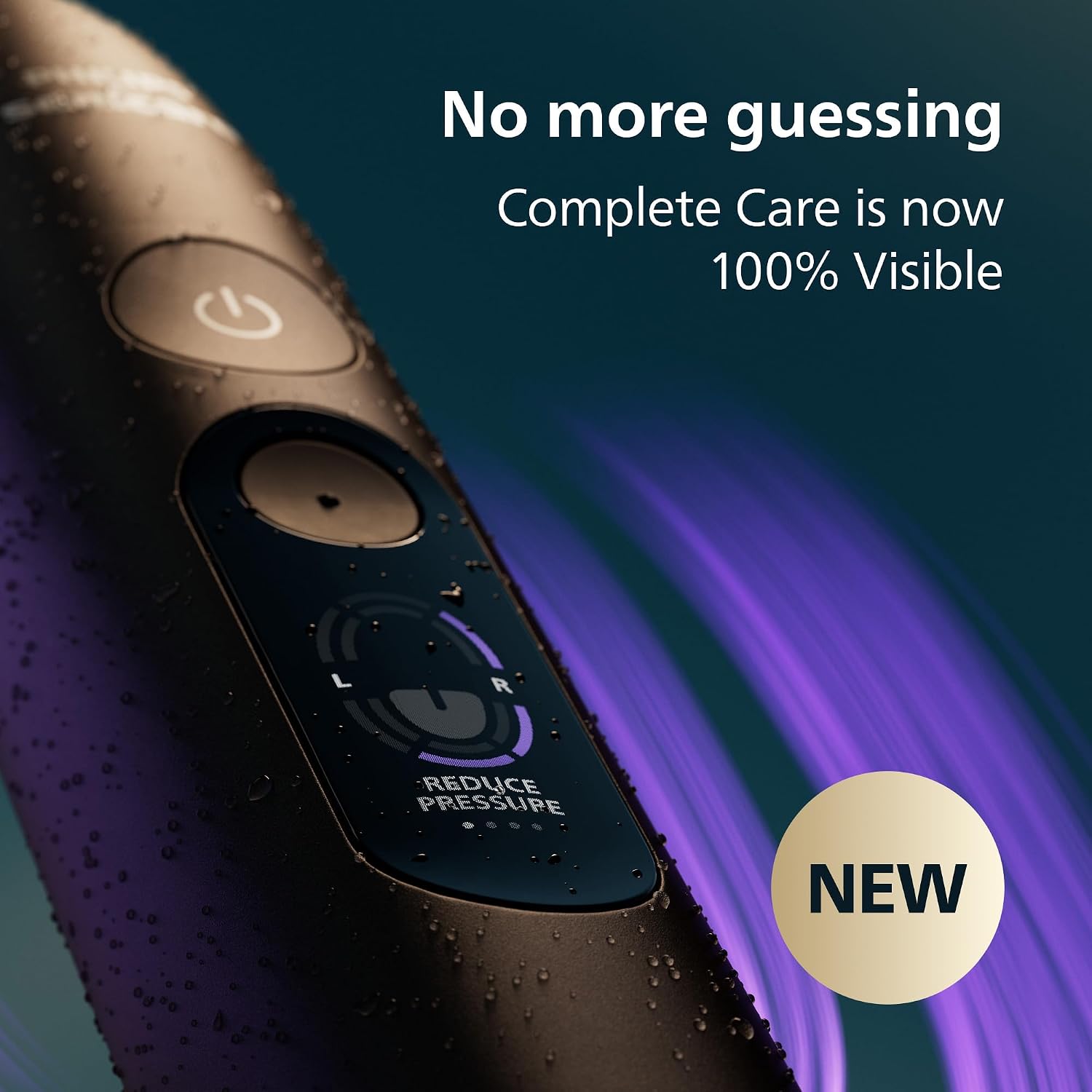
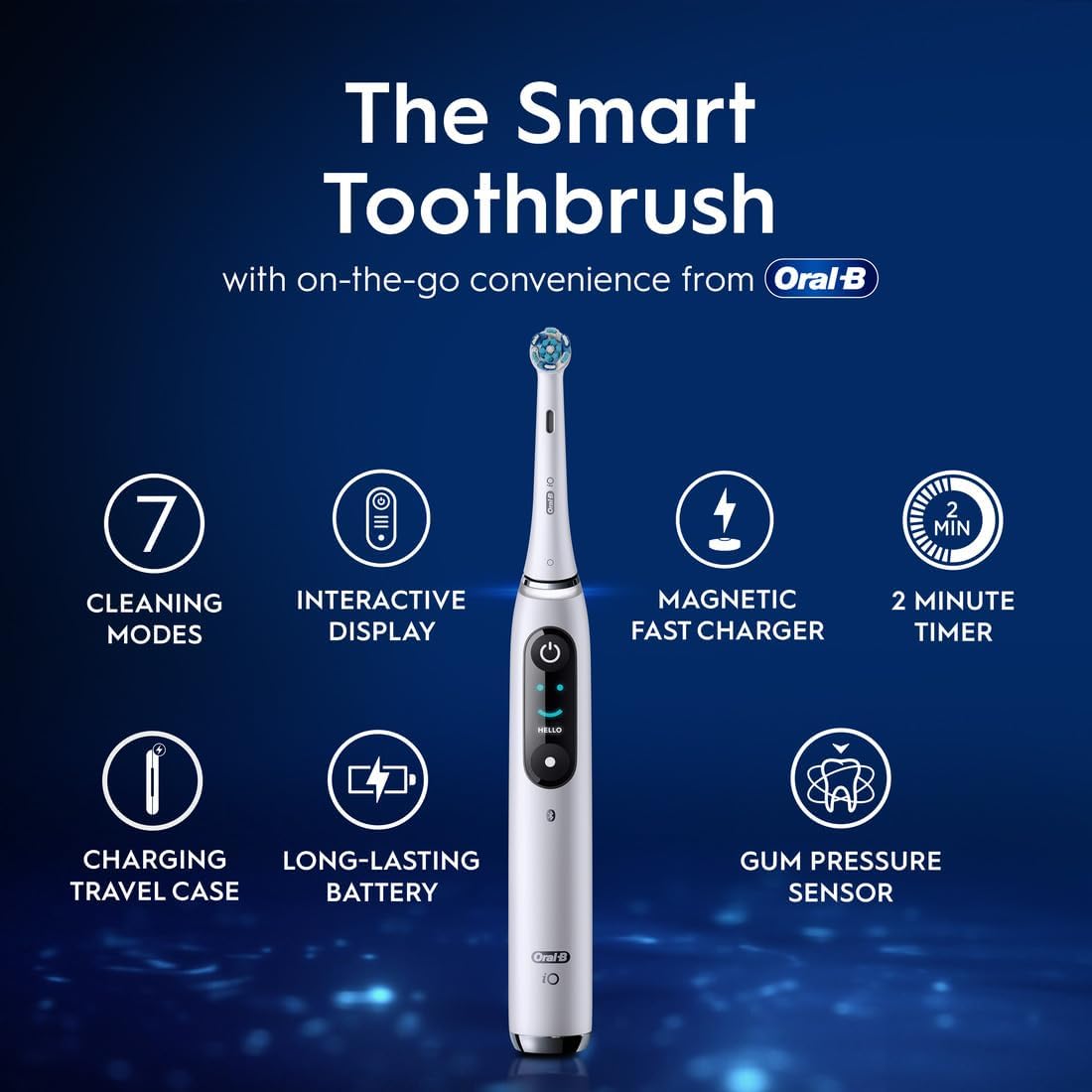
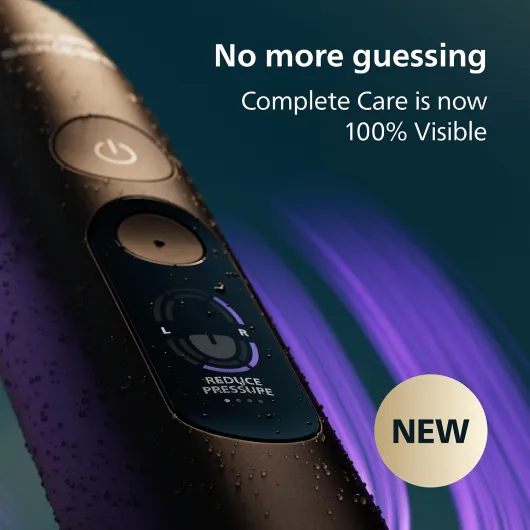
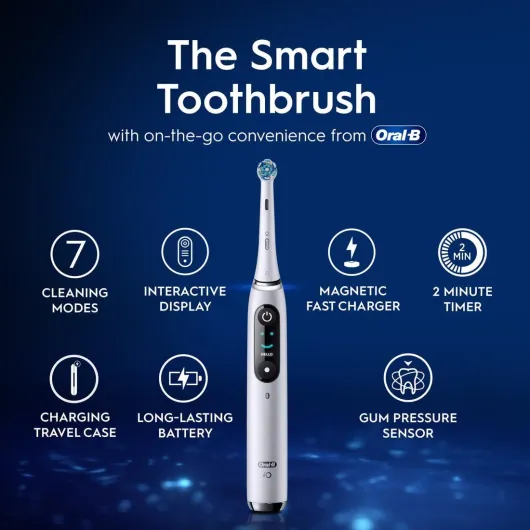
Premium Philips Sonicare and Oral‑B models often include a pressure sensor that flashes or vibrates when you press the brush head too firmly against teeth. This pressure feedback protects sensitive gums and helps you maintain a gentle, consistent brushing technique over many years of use. Higher end handles also tend to feel more stable in the hand, with better grip materials and quieter motors that make daily cleaning more pleasant.
Battery performance is another major dividing line, because a strong battery and efficient power management system reduce charging hassle during travel. Top tier models frequently deliver two to four weeks of battery life from a single charge, even when you use several cleaning modes and larger brush heads. For example, manufacturer specifications for the Philips Sonicare DiamondClean Smart and Oral‑B iO Series 9 typically quote around 14 days of twice daily brushing, while the Philips Sonicare Prestige 9900 is rated for up to three to four weeks depending on mode and intensity. Some of these premium models ship with a travel case that doubles as a charger, which keeps your electric toothbrush ready for a deep clean wherever you go.
Understanding long term costs, replacement heads, and subscription traps
When you evaluate the best premium electric toothbrushes, the initial price is only part of the financial story. Replacement heads must be changed every three months for optimal oral hygiene, which means the long term cost of brush heads can exceed the original handle price over several years. Some brands sell compatible brush head packs directly, while others rely on marketplaces such as Amazon where prices fluctuate widely.
Subscription plans for replacement heads promise convenience, but they do not always save money over the full lifespan of a toothbrush. A careful look at the subscription toothbrush trap shows that auto ship programs can be cost effective only when the per head price stays competitive with standard retail offers. Before you commit, compare the cost per brush head across Philips Sonicare, Oral‑B, and third party brands, then factor in how many heads your household will actually use.
Premium models like Philips Sonicare Prestige, Philips Sonicare DiamondClean Smart, or Oral‑B iO Series 8 often require proprietary brush heads, which can limit cheaper alternatives but ensure consistent cleaning performance. If you choose a high end electric toothbrush, check whether the travel case protects spare heads and keeps them hygienic between uses. Planning for replacement heads, battery longevity, and realistic mode usage helps you understand the true cost of owning an electric toothbrush over five to ten years.
Smart features, tracking, and when connected brushes genuinely help
Many of the best premium electric toothbrushes now include smart features that connect the handle to a smartphone app. These connected electric toothbrushes use motion sensors and a minute timer to map your brushing coverage, then provide feedback on missed zones and excessive pressure. For some users, this real time coaching can transform a rushed brush into a thorough deep clean that finally reaches every tooth surface.
However, not every smart feature adds meaningful value, and constant data tracking can feel overwhelming. A detailed analysis of smart toothbrushes that track everything asks whether all that data actually makes you brush better, or simply adds complexity without improving oral health. The most helpful systems usually combine a clear visual map, a gentle pressure sensor alert, and simple goals such as maintaining two minutes of brushing twice per day.
High end Philips Sonicare Prestige and Oral‑B iO models often pair their smart features with adaptive intensity settings that adjust power automatically. If the sensors detect sensitive gums or too much pressure, the handle reduces intensity while still moving the brush head efficiently across teeth. When you evaluate smart features, focus on those that support consistent cleaning habits, protect enamel, and make your electric toothbrush easier to use rather than more demanding.
Matching brush heads, modes, and pressure control to your mouth
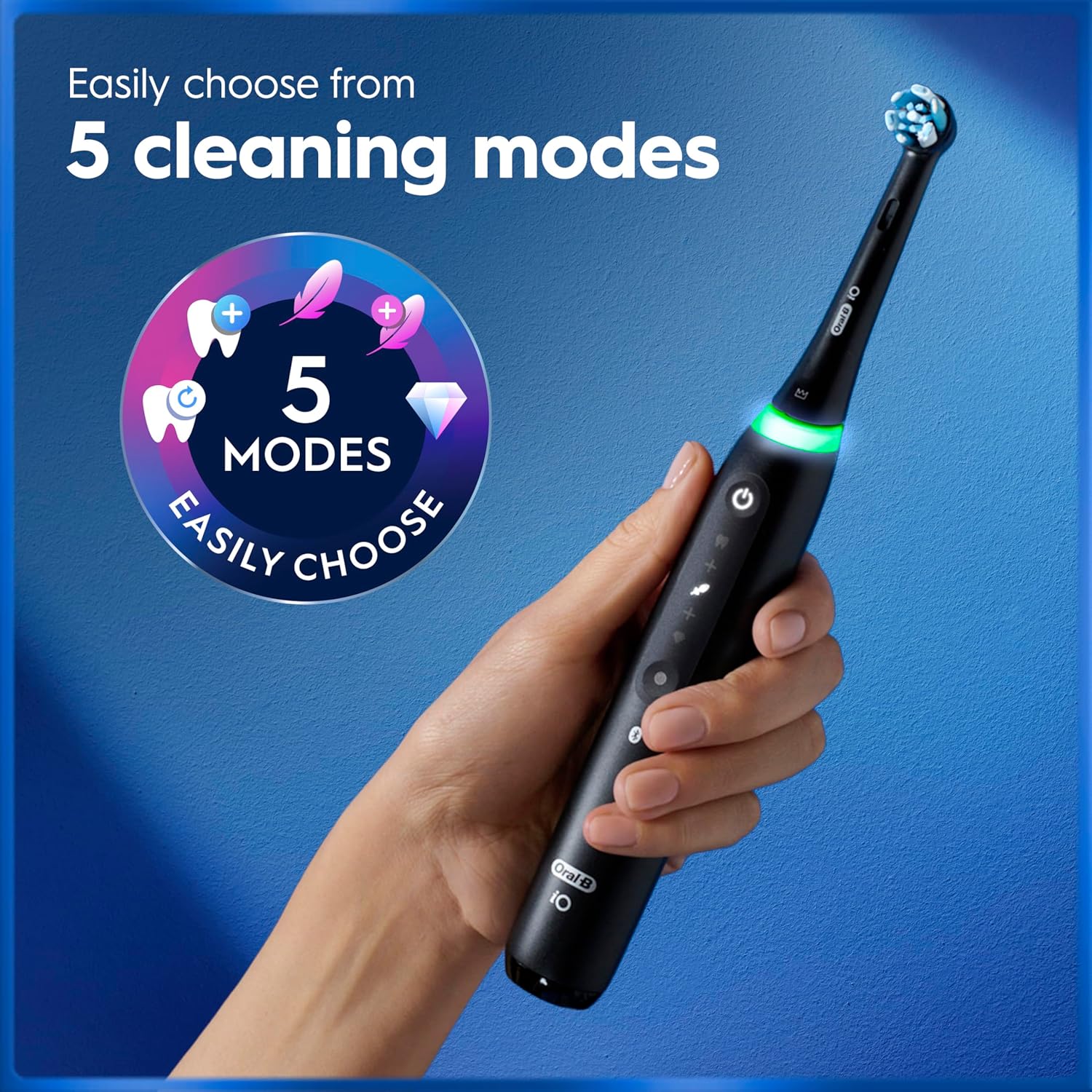
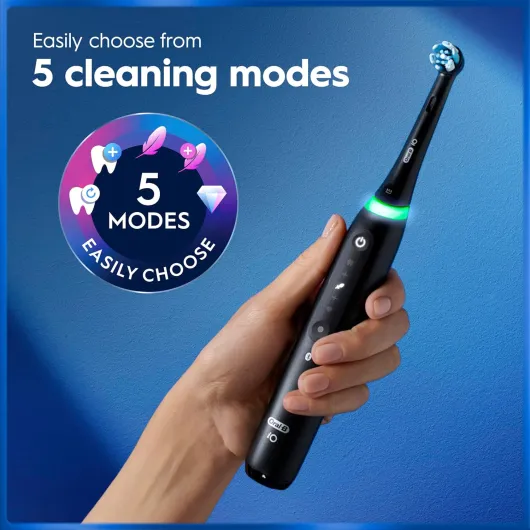
No single electric toothbrush suits every mouth, so the best premium electric toothbrushes offer a wide range of brush heads and cleaning modes. People with orthodontic appliances or crowded teeth often benefit from smaller brush heads that navigate tight spaces, while those with larger arches may prefer a slightly bigger head for faster coverage. The key is to match the brush head size and bristle softness to your oral anatomy and gum sensitivity.
Philips Sonicare and Oral‑B both sell specialized brush heads for whitening, gum care, and deep clean routines, each designed with different bristle patterns and stiffness. If you have sensitive gums, choose softer bristles and use a gentle mode combined with an active pressure sensor, which prevents over brushing while still removing plaque effectively. Many premium handles remember your preferred mode and intensity, so every brushing session starts with the right settings for your teeth.
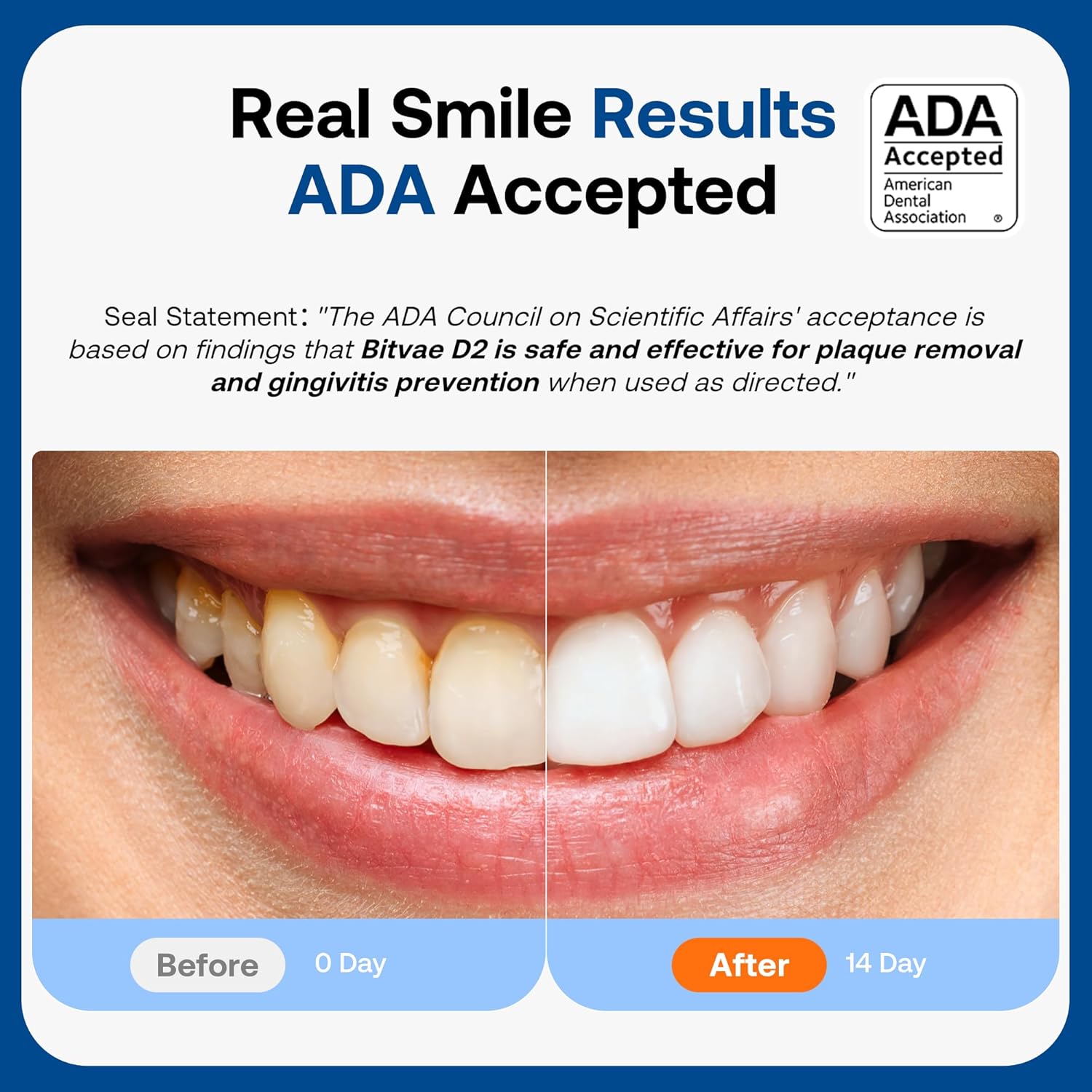
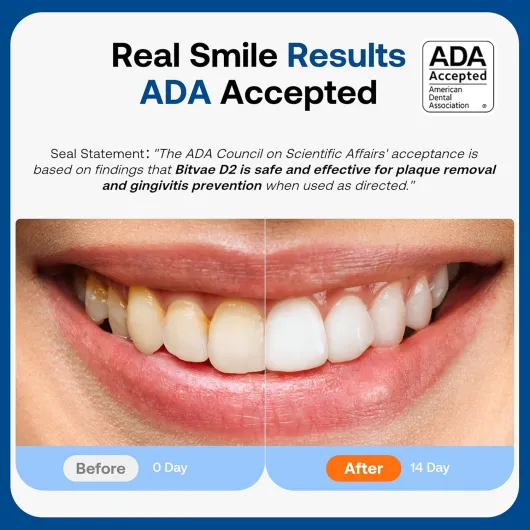
People who grind their teeth or have a history of enamel erosion should prioritize electric toothbrushes with precise pressure control and an ADA seal. The ADA Seal of Acceptance indicates that the toothbrush and its brush heads have been independently evaluated for safety and effective cleaning performance. Over many years of use, this combination of tailored brush head design, smart features, and reliable pressure feedback can significantly improve oral comfort and long term gum health.
Travel, battery life, and practical details that matter every single day
Premium electric toothbrushes only deliver value when they fit smoothly into daily routines at home and on the road. Frequent travelers should prioritize a compact handle, a sturdy travel case, and long battery life that covers at least two weeks of brushing. A well designed travel case also protects brush heads from contamination and keeps the electric toothbrush from accidentally switching on inside a bag.
Top Philips Sonicare and Oral‑B models often provide 14 to 28 days of use from a single charge, depending on mode settings and how many people share the handle. Some travel cases include USB charging, which simplifies packing and allows you to recharge the toothbrush from a laptop or power bank. When you compare options on Amazon or in pharmacies, check whether the stated battery life reflects real world brushing with the minute timer activated twice per day.
Small usability details can also separate the best electric models from average electric toothbrushes. A textured handle improves grip when your hands are wet, while a clear battery indicator prevents unexpected power loss mid brushing. Over time, these practical touches make it easier to maintain consistent cleaning habits, protect sensitive gums, and fully benefit from the advanced features built into the best premium electric toothbrushes.
Key statistics on premium electric toothbrush performance and adoption
- Randomized clinical trials have shown that powered toothbrushes reduce plaque by roughly 21% and gingivitis by about 11% compared with manual brushes after three months of use, according to a Cochrane review of powered versus manual brushing (Yaacob et al., 2014, Cochrane Database of Systematic Reviews, CD002281).
- Oscillating rotating electric toothbrushes have demonstrated slightly higher plaque reduction than sonic models in some comparative studies, with differences of around 7 to 10%, although both technologies significantly improve oral hygiene when used with proper technique.
- Consumer surveys in Europe report that more than 40% of adults now use an electric toothbrush, and adoption is higher among people who have received specific recommendations from their dentist or dental hygienist.
- Battery life has improved substantially in recent premium models, with many lithium ion powered handles delivering up to 14 to 28 days of use on a single charge, compared with roughly 5 to 7 days for older nickel metal hydride designs.
- Independent testing organizations have found that electric toothbrushes with a visible or tactile pressure sensor reduce the incidence of brushing related gum abrasion, especially in users who previously applied heavy manual pressure.
![Sonicare 7100 Electric Toothbrush, Sonic Toothbrush with App, 4 Brushing Modes and 3 Intensity Levels, Pressure Alert, EasyStart, SmarTimer, Navy Blue, Model HX7423/01 [New Technology] Sonicare 7100, Navy, 2 Brush Heads](https://www.electric-toothbrush-guru.com/storage/886063/conversions/716cWACgncL._AC_SL1500_-medium.webp)



![Sonicare 7100 Electric Toothbrush, Sonic Toothbrush with App, 4 Brushing Modes and 3 Intensity Levels, Pressure Alert, EasyStart, SmarTimer, Navy Blue, Model HX7423/01 [New Technology] Sonicare 7100, Navy, 2 Brush Heads](https://www.electric-toothbrush-guru.com/storage/886063/716cWACgncL._AC_SL1500_.jpg)