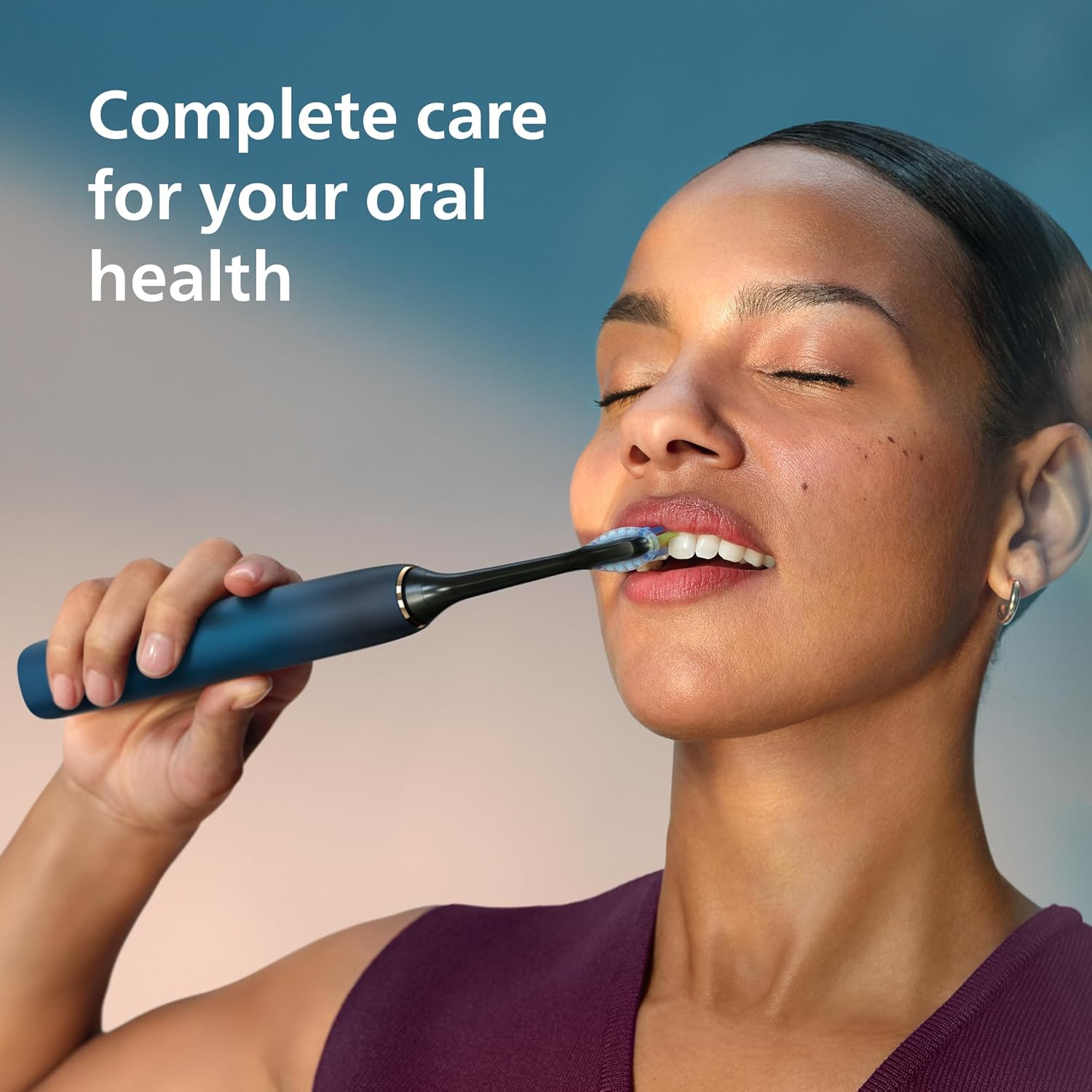
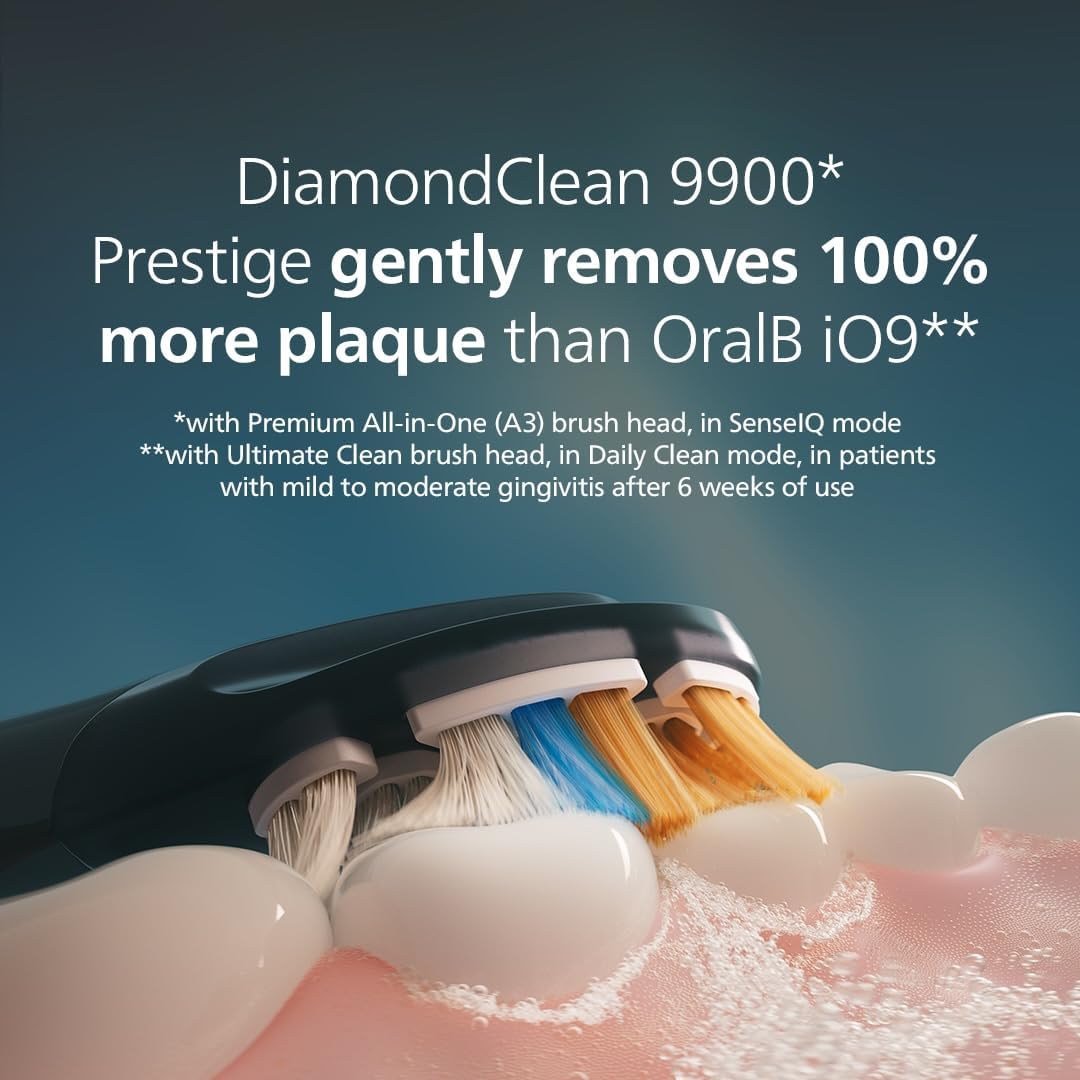
Key features that matter for plaque removal performance
Several technical features separate the best electric toothbrushes for plaque removal from basic electric models that simply vibrate. First, look at the brush head design, because densely packed bristles with angled tufts reach into interdental spaces and help lift plaque from tight areas between teeth. A compact head also improves access behind molars, where plaque tends to accumulate and where a standard toothbrush often struggles.
Next, examine the brushing modes and power output of each electric toothbrush, especially if you have sensitive gums or orthodontic work. A high intensity deep clean mode is useful for heavy plaque removal, while a gentler daily clean mode suits routine brushing and helps maintain enamel. Many Philips Sonicare electric toothbrushes, for example, combine a powerful sonic toothbrush motor with multiple modes and a minute timer to balance plaque removal with comfort. In randomized trials comparing oscillating-rotating Oral-B heads with Philips Sonicare sonic brushes over three to six months, oscillating designs removed slightly more plaque at the gumline, but both technologies clearly outperformed standard manual brushing when users followed a two minute routine.
Battery life and charging style also influence how consistently you use your toothbrush, which directly affects plaque levels. A rechargeable electric handle with two weeks of battery life encourages regular brushing at home and during travel, especially when paired with a sturdy travel case. When you evaluate any product marketed as a top electric option, consider whether the pressure sensor, brush heads, and replacement brush availability match your habits and budget, then consult a specialist review such as the dedicated guide to top electric toothbrushes for plaque removal for model specific comparisons.
How to choose the best electric toothbrush on any budget
Price varies widely between electric toothbrushes, but you can still find the best electric toothbrushes for plaque removal at different budget levels. Entry level models often cost under 50 eur and still offer a rechargeable electric battery, a basic minute timer, and a single brush head in the pack. These affordable toothbrushes may lack a pressure sensor or travel case, yet they outperform a manual toothbrush for plaque removal when used correctly.
Mid range products usually add more brushing modes, better battery life, and sometimes a slim travel case for frequent travel. In this segment, you will see both oscillating Oral-B Pro handles and sonic toothbrush designs from Philips Sonicare, each marketed as a top pick for plaque removal. When comparing price and features, check how many replacement brush heads are included, whether the brush heads are easy to find on Amazon, and how often you will need to buy a new replacement brush pack. Typical mid tier options sit roughly in the 50–120 eur bracket, with Oral-B Pro 3 and Philips Sonicare ProtectiveClean 4300 often cited in independent tests for strong plaque reduction at this price.
Premium electric toothbrushes justify their higher price with advanced features such as smart pressure sensors, Bluetooth connectivity, and refined deep clean modes. Some of these high end models integrate brushing feedback through apps, while others focus on elegant design and sustainable materials like recycled plastics in the handle. If you want strong plaque removal without paying luxury prices, independent reviewers often highlight several solid electric toothbrushes under 50 eur that dentists still take seriously for daily oral care.
Understanding heads, replacement brushes, and sustainability
The brush head is the working end of any electric toothbrush, and its design strongly influences plaque removal. Shorter bristles with a contoured profile hug the curves of teeth, while longer bristles reach into gaps that a flat manual toothbrush head cannot access. For the best electric toothbrushes for plaque removal, manufacturers often offer specialized brush heads labeled for gum care, whitening, or deep clean performance.
Replacement brush heads should be changed every three months, or sooner if the bristles splay or fade in color. Many brands sell a multi unit pack of replacement brush heads on Amazon, which reduces the price per product and makes it easier to maintain a hygienic brushing routine. When you buy a new electric toothbrush, check whether the handle is compatible with several brush head families, because this flexibility lets you tailor plaque removal to changing oral needs over time.
Sustainability is becoming a stronger factor in toothbrush design, with some companies introducing recycled plastics in handles and packaging. A few electric toothbrushes now ship in recycled cardboard boxes and offer brush head recycling schemes, which reduce waste compared with a fully disposable toothbrush manual design. If environmental impact matters to you, look for clear statements about recycled content, brush head recycling, and long term battery life, then balance these features against plaque removal performance and overall price.
Travel, battery life, and everyday practicality
Even the best electric toothbrushes for plaque removal will not help if you leave them at home during travel. A compact travel case protects the brush head, keeps the handle clean in a suitcase, and often has space for at least one replacement brush. Some premium cases even include USB charging, which extends battery life on long trips and reduces the need to carry a separate charger.
Battery performance varies between electric toothbrushes, so pay attention to the claimed duration per charge and real world reviews. Many rechargeable electric models now offer 10 to 14 days of brushing on a single charge, assuming two brushing sessions per day of two minutes each. If you often forget to charge devices, a handle with a long lasting battery and a simple charging stand will feel more practical than a feature heavy product that needs frequent charging.
For people who travel frequently, a lightweight electric toothbrush with a robust battery and a protective travel case is usually the best electric choice. You can keep a manual toothbrush as a backup in your bag, but rely on your main electric toothbrush for serious plaque removal when you have access to power. When comparing travel friendly toothbrushes, consider whether the minute timer, pressure sensor, and brush heads still meet your oral care standards away from home, and consult curated lists of top electric toothbrushes with Bluetooth if you value app based brushing guidance on the road.
Manual versus electric: when a simple brush is enough
A well used manual toothbrush can still maintain healthy teeth for many people, especially those with excellent brushing technique and low plaque buildup. The challenge is that most users do not brush long enough or cover every surface, which is where the best electric toothbrushes for plaque removal provide a safety net. Built in tools such as a minute timer and pressure sensor compensate for human inconsistency and make thorough brushing more automatic.
If your dentist regularly notes plaque accumulation or early gum inflammation, an electric toothbrush becomes less of a luxury and more of a practical necessity. Models from the Oral-B or Philips Sonicare ranges, when used with appropriate brush heads, can significantly reduce plaque scores compared with a standard toothbrush manual routine. For many patients, the shift from a basic brush to a carefully chosen power toothbrush is the single most impactful oral care upgrade after daily flossing.
There are still situations where a manual toothbrush remains useful, such as during short travel, after oral surgery, or for quick midday brushing at work. In these cases, think of the manual brush as a complement rather than a replacement for your main electric toothbrush. Over the long term, consistent use of electric toothbrushes with high quality brush heads, reliable battery life, and proven plaque removal performance will protect both teeth and gums more effectively than sporadic manual brushing alone.
Statistics and key figures about electric toothbrush performance
- Randomized clinical trials have shown that electric toothbrushes reduce dental plaque by roughly 20 % more than manual toothbrushes after three months of use, which translates into lower rates of gingivitis in regular users (data summarized by the Cochrane Oral Health Group in a systematic review of powered versus manual brushes, originally published in 2003 and updated in 2014).
- Oscillating-rotating electric toothbrush designs have demonstrated slightly higher plaque removal in some studies compared with sonic toothbrush models, although both technologies outperform standard manual brushing when users follow a two minute routine (for example, randomized controlled trials from the early 2000s comparing Oral-B oscillating-rotating heads with Philips Sonicare sonic brushes over periods of up to six months).
- Surveys of adult patients indicate that people using a minute timer and pressure sensor on their electric toothbrush are significantly more likely to brush for the recommended duration and less likely to apply damaging force to teeth and gums, improving long term oral outcomes (data reported by major oral care manufacturers and independent consumer research published between 2015 and 2020).
- Market research shows that sales of rechargeable electric toothbrushes have grown steadily over the past decade, with Philips Sonicare and Oral-B Pro and Genius series models representing a large share of the segment focused on plaque removal and gum health.

![AirJet X5 [Max Tartar Removal & Interdental Jet Clean] New-Gen Electric Toothbrush, 100% Plaque Removal, Whitening, Gentle on Gums, Orthodontic Clean, Rechargeable, 3 Brush Heads, Rose Gradient](https://www.electric-toothbrush-guru.com/storage/879902/conversions/713pw4p9jOL._AC_SL1500_-medium.webp)

![AirJet™ [Max Jet Clean] [Vibrating & Flossing 2-in-1] Bubble Sonic Electric Toothbrush, Plaque Removal, White for Adult Gum Care Teeth Clean Valentine’s Day Gift with 2 Soft Brush Heads Grey Mist Grey](https://www.electric-toothbrush-guru.com/storage/879908/conversions/81LQk8ZtELL._AC_SL1500_-medium.webp)
![AirJet X5 [Max Tartar Removal & Interdental Jet Clean] New-Gen Electric Toothbrush, 100% Plaque Removal, Whitening, Gentle on Gums, Orthodontic Clean, Rechargeable, 3 Brush Heads, Rose Gradient](https://www.electric-toothbrush-guru.com/storage/879902/713pw4p9jOL._AC_SL1500_.jpg)
![AirJet™ [Max Jet Clean] [Vibrating & Flossing 2-in-1] Bubble Sonic Electric Toothbrush, Plaque Removal, White for Adult Gum Care Teeth Clean Valentine’s Day Gift with 2 Soft Brush Heads Grey Mist Grey](https://www.electric-toothbrush-guru.com/storage/879908/81LQk8ZtELL._AC_SL1500_.jpg)