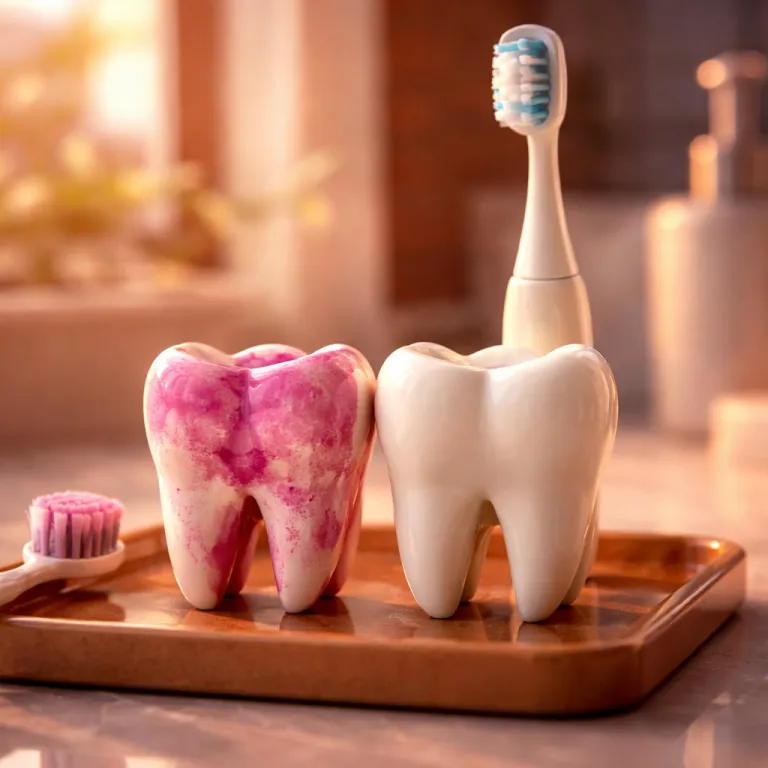
Electric toothbrushes vs manual brushes: what the evidence really shows
Why powered brushes really remove more plaque than manual ones
Powered brushes do not magically clean your teeth, but they change the maths of plaque removal. Large clinical trials and systematic reviews behind every serious electric toothbrush review consistently show that a powered brush removes up to about 21 % more plaque than a manual toothbrush, and that gap widens in people with average technique. For a first time upgrader who already brushes twice a day, that 21 % plaque reduction can be the difference between a borderline gingivitis score and a stable, healthy oral status at your next check up.
Researchers measure this using standard plaque indices, where each tooth surface is scored before and after brushing to calculate how much plaque the brush actually removes. In a frequently cited Cochrane review of 56 randomised controlled trials including over 5,000 participants followed for up to three months, oscillating–rotating electric toothbrushes reduced plaque by roughly 21 % and gingivitis by about 11 % more than manual brushes at one to three months (van der Weijden & Slot, 2015). The often quoted figures that around 72 % of powered brush users reach a healthy gingival category versus about 21 % of manual users, and that bleeding sites fall about 52 % more with powered brushing, come from individual oscillating–rotating trials in adults with mild to moderate gingivitis rather than from all electric toothbrush studies combined. That is why any honest electric toothbrush review must talk less about marketing features and more about what happens to plaque, bleeding on probing, and long term gum stability.
In practice, this means that if you currently brush with a manual toothbrush for two minutes, switching to a well designed electric toothbrush with a built in minute timer and a pressure sensor can give you a measurable upgrade in plaque control without changing your daily routine. The powered motion of the brush head or multiple brush heads does part of the work, but the real gain comes from consistent timing, guided brushing patterns, and less technique dependent cleaning along the gumline. For people with crowded teeth or early gingivitis, that extra 21 % plaque removal is not a marketing flourish; it is a clinically relevant margin of safety, even if the exact percentage varies slightly between studies because of differences in design, follow up period, and how plaque and gingivitis are scored.
What the clinical trials actually measured about gums and bleeding
When you read that powered brushes reverse gingivitis better than manual ones, it is not a vague claim about fresher breath or whiter teeth. In controlled trials, examiners use bleeding on probing and detailed gingival indices to assign each participant a gingival health score, then compare how those scores change after several weeks of brushing with either manual toothbrushes or electric toothbrushes. One randomised parallel group trial of an oscillating–rotating brush versus a manual toothbrush, for example, followed several hundred adults with mild to moderate gingivitis over 12 weeks and reported that around 72 % of powered brush users reached gingival health, compared with only about 21 % of manual brush users, and bleeding sites fell approximately 52 % more in the powered group under the same brushing instructions (data from a single manufacturer sponsored RCT, not a universal average).
Those numbers matter because bleeding is the earliest visible sign that your oral tissues are inflamed, even before you feel pain. When plaque is not removed effectively by your brush and your brushing technique, bacteria at the gumline trigger inflammation that shows up as redness, swelling, and bleeding when a dentist gently probes around the teeth. Powered brushes, especially models like the Oral‑B Pro series and Philips Sonicare ranges with a pressure sensor and multiple cleaning modes, make it easier for everyday users to reach the same plaque and bleeding reductions that only very skilled manual brushers achieve.
For a first time upgrader reading an electric toothbrush review, the key question is whether those gingival gains justify the higher cost and price of an electric toothbrush compared with a simple manual brush. If your gums already bleed, or your dentist has mentioned early periodontitis, the answer is usually yes, because the extra plaque removal and bleeding reduction are targeted exactly at your main risk. If your gums are healthy and you have excellent manual technique, the clinical advantage is smaller, but you may still value the comfort, the consistent two minute timer, and the easier access to tricky areas around crowded teeth and existing dental work, especially when combined with proper cleaning and occasional use of an ultrasonic cleaner for your dental devices and electric toothbrush care, as discussed in this detailed guide on whether ultrasonic cleaners really work for dental devices.
Who benefits most from switching to an electric toothbrush
Not everyone needs to rush out and buy the best electric toothbrush on the shelf, but some groups gain far more than others from powered brushes. People with existing gingivitis, crowded teeth, orthodontic retainers, or limited hand dexterity often struggle to angle a manual toothbrush head correctly along every surface, so plaque accumulates in the same blind spots day after day. For these users, an electric toothbrush with a compact brush head, a reliable battery, and clear minute timer pulses can turn a frustrating routine into a predictable, repeatable system.
Clinical data show that powered brushes particularly help users whose baseline plaque scores are high and whose brushing technique is inconsistent. In electric toothbrush review panels, we repeatedly see that once these users switch to a Philips Sonicare electric toothbrush or an Oral‑B Pro series model with a pressure sensor, their plaque indices drop faster and their bleeding on probing improves within a few weeks. The combination of sonic or oscillating motion, guided quadrant timing, and sometimes smart features like app based coaching reduces the skill required to achieve dentist level cleaning at home.
Smart toothbrushes with Bluetooth tracking are not essential for everyone, but they can be transformative for people who need structure and feedback. If you know you rush your brushing or miss the back molars, a smart toothbrush with real time coverage maps and personalised coaching, such as some Philips Sonicare series or Oral‑B iO and Pro models, can help you build better habits. For those who prefer a simpler but still effective option, a mid range Ordo Sonic brush with a straightforward set of cleaning modes, a solid battery life, and a travel case offers a strong balance of cost, features, and everyday usability, and you can compare several such models in this overview of top electric toothbrushes with multiple cleaning modes.
Who might not need to switch from a manual toothbrush
There is a quiet minority of people for whom a manual brush still performs extremely well. If your dentist consistently records low plaque scores, no bleeding on probing, and stable gum measurements, your manual brushing technique is already delivering what many electric toothbrushes promise. In that situation, the main reason to read an electric toothbrush review is not to chase more plaque removal, but to weigh comfort, convenience, and long term cost against your already excellent results.
For these users, the 21 % average plaque reduction seen in powered brush trials may not translate into a dramatic clinical change, because they are already near the ceiling of what home brushing can achieve. A manual toothbrush with soft bristles, a compact head, and disciplined two minute brushing twice a day can match or even exceed the performance of a poorly used electric toothbrush. The key features that might still tempt you to switch are a built in minute timer, a pressure sensor to prevent over brushing, and perhaps a travel case and long battery life if you travel frequently and want a consistent routine.
Cost and price also matter here, because an electric toothbrush is not a one time purchase; you must factor in replacement brush heads every three months and potential upgrades over time. If you already replace your manual brush regularly and maintain excellent oral health, the extra cost of premium smart toothbrushes with advanced smart features and app connectivity may not be justified. In that case, a simple, affordable electric toothbrush with basic cleaning modes and a reliable battery can serve as a comfort upgrade rather than a clinical necessity, while you continue to focus on technique, flossing, and regular professional cleanings.
Comparing real world models: Philips Sonicare vs Oral B and others
When you move from clinical numbers to actual products, the landscape of electric toothbrushes quickly becomes crowded and confusing. Philips Sonicare and Oral‑B Pro and iO series models dominate most electric toothbrush review comparisons, but they use different technologies and feel very different in the mouth. Sonicare brushes, such as the Philips Sonicare DiamondClean and the newer DiamondClean Prestige, use high frequency sonic vibrations to create a gentle, buzzing brushing sensation, while Oral‑B brushes use oscillating–rotating heads that feel more like a tiny polishing cup scrubbing each tooth.
In hands on testing, the Philips Sonicare DiamondClean series stands out for its sleek design, strong battery life, and refined cleaning modes tailored to sensitive gums, whitening, and deep cleaning. The DiamondClean Prestige adds smart features like adaptive intensity and app based coaching, turning it into one of the more advanced smart toothbrushes for users who want detailed feedback on their brushing coverage and pressure. Oral‑B Pro and iO series models, by contrast, often provide a slightly more aggressive cleaning feel with smaller round brush heads that can navigate crowded teeth and orthodontic work more easily, especially when combined with a sensitive cleaning mode and a visible pressure sensor.
Mid range options like the Ordo Sonic brush aim to deliver many of the key features of flagship models at a lower cost and price. An Ordo Sonic toothbrush typically offers several cleaning modes, a decent battery, a compact brush head, and a travel case, without the full suite of smart features or premium materials found in the Philips Sonicare DiamondClean Prestige. For most first time upgraders, the best electric choice is not the most expensive brush, but the one whose cleaning modes, handle shape, brush heads, and battery life fit their daily habits and oral needs, while leaving enough budget for regular replacement brush heads and professional care.
| Brush type | Typical features | Approximate price tier | Clinical focus |
|---|---|---|---|
| Oscillating–rotating (e.g. Oral‑B Pro / iO) | Small round heads, pressure sensor, timer, optional app | Budget to premium | Targeted plaque removal and gingivitis reduction |
| Sonic (e.g. Philips Sonicare ranges) | Elongated heads, multiple modes, long battery life | Mid range to premium | Gentle cleaning, stain removal, gum comfort |
| Value sonic (e.g. Ordo Sonic style brushes) | Core modes, compact head, travel case | Entry to mid range | Everyday plaque control at lower cost |
Smart features, data tracking, and what actually improves your brushing
Smart toothbrushes promise to turn your daily brushing into a stream of actionable data, but not all smart features are equally useful. The most valuable additions in any electric toothbrush review tend to be a reliable minute timer, a quadrant pacer, and a clear pressure sensor that warns you when you are pressing too hard on your teeth and gums. These features directly support the behaviours that clinical trials link to better plaque scores and gingival health, without requiring you to stare at an app every morning.
More advanced smart toothbrushes, including some Philips Sonicare series and Oral‑B iO and Pro models, add Bluetooth connectivity, 3D coverage maps, and personalised coaching based on where you consistently miss with your brush head. For some users, especially those with a history of gum disease or orthodontic treatment, this level of feedback can be genuinely helpful in building better habits and maintaining the 21 % plaque reduction advantage over manual brushing. However, the real world benefit depends on whether you actually engage with the data and adjust your brushing, as explored in depth in this analysis of whether smart toothbrush tracking really makes you brush better.
When choosing between smart toothbrushes, focus on key features that change behaviour rather than on novelty. A simple app that reminds you to replace your brush head, tracks your battery life, and flags areas you consistently miss is more valuable than a crowded dashboard of brushing statistics you never read. In many cases, a mid range electric toothbrush with a strong pressure sensor, a dependable minute timer, and a couple of well tuned cleaning modes will improve your oral health more than a top tier smart model whose features you ignore, especially if you invest the savings in regular replacement brush heads and professional cleanings.
Cost, value, and how to read an electric toothbrush review wisely
Price tags on electric toothbrushes range from budget models to premium smart systems, but cost alone does not tell you which brush is right for you. A thoughtful electric toothbrush review should always connect the price of a brush to its clinical potential, its durability, and the ongoing cost of replacement brush heads over several years. For a first time upgrader, the best electric value often sits in the mid range, where you get a solid battery, a reliable pressure sensor, a travel case, and a couple of useful cleaning modes without paying extra for luxury finishes or rarely used smart features.
When comparing brushes, look beyond the headline features and ask how each one will affect your daily brushing. Does the brush head size fit comfortably behind your last molars, and are the available brush heads suitable for sensitive gums or orthodontic work. Is the battery life long enough that you will not be constantly recharging, and does the handle feel secure and balanced in your hand during two full minutes of brushing twice a day.
Also pay attention to how reviewers describe the brushing feel and the real world battery performance, not just the claimed specifications. A Philips Sonicare DiamondClean Prestige may justify its higher price for someone who values a refined sonic sensation, long battery life, and advanced smart features, while another user may prefer the more assertive cleaning of an Oral‑B Pro series brush with a smaller round brush head. In the end, the powered brush that removes around 21 % more plaque for you is the one whose design, features, and running cost fit your habits so well that you actually use it correctly every single day, because what matters most is not the feature list, but the Monday morning brushing feel.
Key statistics on powered brushes and plaque control
- Powered electric toothbrushes remove up to about 21 % more plaque than manual toothbrushes in controlled clinical trials, a difference that becomes clinically meaningful for users with borderline gingivitis or high baseline plaque scores, although individual study results vary slightly.
- Oscillating–rotating brushes transition about 72 % of users to a healthy gingival status in some randomised trials, compared with roughly 21 % of manual brush users under the same brushing schedule, highlighting the impact of powered motion and guided timing on gum health in those specific studies.
- Bleeding sites around the teeth are reduced about 52 % more with powered brushes than with manual brushes in several comparative studies of adults with mild to moderate gingivitis, showing that powered brushing improves not only plaque indices but also early inflammatory signs.
- Randomised clinical trials lasting four weeks or more consistently report superior plaque and gingivitis control with powered brushes, whether sonic or oscillating–rotating, confirming that the benefits are sustained beyond the first few days of use, though most data still focus on short to medium term follow up.
- Long term observational data suggest that users who adopt an electric toothbrush and maintain regular replacement of brush heads every three months experience fewer new gingivitis episodes and more stable periodontal measurements over time, even when study designs and populations differ.
FAQ
Is an electric toothbrush always better than a manual one
Powered brushes remove more plaque on average, but they are not automatically better for everyone. If you already have excellent manual technique, low plaque scores, and no bleeding, the clinical gain from switching may be modest. For most people with average technique or early gum issues, though, an electric toothbrush offers a clear advantage in plaque control and gingival health.
How do I choose the best electric toothbrush for a first upgrade
Focus on a compact brush head, a reliable two minute timer, and a clear pressure sensor before worrying about advanced smart features. A mid range model from Philips Sonicare or the Oral‑B Pro or iO series with two or three cleaning modes and solid battery life usually offers the best balance of cost and performance. Make sure replacement brush heads are easy to find and affordable, because long term value depends on consistent head changes.
Do smart toothbrushes with apps really improve brushing
Smart toothbrushes can improve brushing if you actually use the feedback to change your habits. Real time coverage maps and pressure alerts help some users reach neglected areas and reduce over brushing, which supports better plaque and bleeding scores. If you are unlikely to open the app regularly, a simpler electric toothbrush with a timer and pressure sensor may deliver most of the benefit with less complexity.
How often should I replace electric toothbrush brush heads
Most dental professionals recommend replacing an electric brush head or manual brush every three months, or sooner if the bristles splay or fray. Worn bristles clean less effectively and can encourage you to press harder, which increases the risk of gum recession and enamel wear. Setting reminders in a smart toothbrush app or buying replacement brush heads in bulk can make it easier to keep to this schedule.
Are premium models like Philips Sonicare DiamondClean Prestige worth the price
Premium brushes such as the Philips Sonicare DiamondClean and DiamondClean Prestige offer refined sonic cleaning, long battery life, and advanced smart features that some users genuinely appreciate. They are most worthwhile if you value design, comfort, and detailed coaching, and if the higher price does not limit your ability to buy regular replacement brush heads. For many first time upgraders, a well chosen mid range electric toothbrush delivers most of the clinical benefit at a lower overall cost.