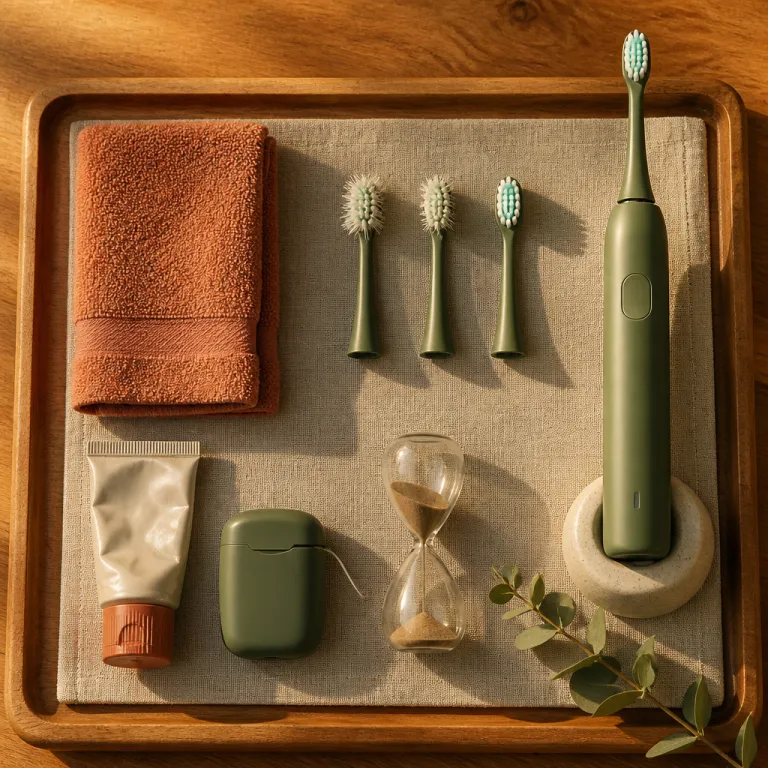
Why timing matters when you change your toothbrush
How often you should change your toothbrush is not a cosmetic question. The timing of every change directly affects your oral health because worn bristles and hidden bacteria can quietly undermine even careful brushing. When you understand how toothbrushes age over time, you can decide when to replace each brush head instead of guessing.
A new toothbrush or electric toothbrush head has straight, flexible bristles that reach around teeth and along the gumline. After weeks of brushing teeth twice a day, those bristles bend, fray, and lose their ability to remove plaque before it hardens into tartar. Once that happens, you should change your toothbrush regularly because ineffective brushing increases the risk of tooth decay and early gum disease.
The American Dental Association and public dental health agencies such as the NHS advise that three months is the maximum lifespan for most toothbrushes. ADA guidance notes that replacing a brush about every 12 weeks maintains cleaning efficiency, while NHS oral health advice echoes this three month limit. For many people, the real answer to how often you should change your toothbrush is closer to every eight to ten weeks, especially if you brush vigorously or use a soft brush that wears faster. Paying attention to the shape and colour of the bristles gives a more accurate signal than simply waiting for a calendar reminder.
How often should you change toothbrush for electric models
People who use an electric toothbrush often assume the motor compensates for worn bristles. That belief is misleading because even the best electric brush cannot protect oral health when the toothbrush heads are splayed, faded, or clogged with bacteria. The same basic rule applies here, meaning you should replace toothbrush heads at least every three months and sometimes sooner.
Manufacturers design many electric toothbrush heads with indicator bristles that fade with time. When half the colour has disappeared, you should change the head because the fibres have usually lost enough stiffness to leave plaque behind on teeth and along the gums. If you are unsure how often you should change toothbrush attachments for your specific model, check the manual and then adjust based on visible wear and your dentist’s advice.
Clinical guidance on how often you should change toothbrush equipment for healthier teeth and gums is explored in depth in this resource on how often you should change your toothbrush for healthier teeth and gums. People with braces, dental implants, or early gum disease often should replace their electric brush heads more frequently because plaque control is more demanding. In these situations, changing toothbrush heads every six to eight weeks can help keep brushing teeth effective without increasing brushing pressure.
Situations when you should replace your toothbrush sooner
While three months is a useful benchmark, some situations demand faster changing toothbrush routines. Any time you have had a cold, flu, or other infection, you should replace your toothbrush or toothbrush heads once you recover because bacteria and viruses can linger in damp bristles. This is especially important if you store toothbrush items close together where droplets can transfer between brushes.
Parents often ask how often you should change toothbrush items for children who chew on the brush. When kids bite the bristles or bang the brush against teeth, the fibres flare quickly and you should change the toothbrush three or four times a year instead of only once per season. If the head looks like a small broom after a few weeks, that is a clear sign you should replace it immediately rather than waiting for an arbitrary time limit.
Users of battery powered models sometimes overlook replacing toothbrush heads because the handle still works. For brands that use spin technology, performance drops sharply once the bristles bend, so you should follow the manufacturer’s schedule for understanding the importance of replacement heads. In practice, that means you often should change toothbrush attachments every two to three months, especially if you notice more plaque between visits to the dentist.
What worn bristles do to teeth, gums, and overall oral hygiene
Old toothbrushes do more than look untidy on the bathroom shelf. As bristles fray and soften, they glide over plaque instead of disrupting it, which allows bacteria to colonise the gumline and the tiny grooves in teeth. Over time this weakens good oral defences and makes brushing teeth feel less satisfying even when you keep the same routine.
When you delay changing toothbrush tools, you also increase the risk of gum disease and tooth decay. Bacteria trapped in the brush head can re enter the mouth with every stroke, undermining oral hygiene and inflaming gums that are already sensitive. People who rarely replace toothbrush equipment often report bleeding after brushing, which is a warning sign that you should change your brush and speak with a dentist.
Microscopic studies show that toothbrush bristles can harbour dense bacterial biofilms after only a few months of use. One frequently cited study in the Journal of Clinical Dentistry reported that brushes used for longer than three months removed roughly 30% less plaque than newer ones, which supports guidance on how often you should change toothbrush equipment based on both mechanical wear and microbial build up rather than appearance alone. If you want to keep your oral health stable between check ups, you should replace your toothbrush regularly and pair that habit with flossing and fluoride toothpaste.
How to store toothbrush items and keep them clean between uses
Knowing how often you should change toothbrush equipment matters less if you neglect daily care. The way you store toothbrush tools influences how many bacteria grow on the bristles and how quickly the fibres degrade. A simple routine can extend the useful life of both manual toothbrushes and electric toothbrush heads without compromising oral health.
After brushing teeth, rinse the brush thoroughly under running water to remove toothpaste, food debris, and loose bacteria. Shake off excess water, then store toothbrush items upright in an open holder so air can circulate around the bristles and allow them to dry. You should avoid closed travel caps for long term storage because trapped moisture accelerates bacterial growth and may force you to change toothbrush equipment earlier than three months.
Households where several people share a bathroom should keep each toothbrush separated so the heads do not touch. This simple step reduces cross contamination and supports good oral hygiene, especially when one person has gum disease or another dental condition. Even with perfect storage, you still should replace your toothbrush and brush heads on schedule because time and repeated brushing eventually break down the materials.
Building a practical schedule for changing toothbrush and brush heads
Turning advice about how often you should change your toothbrush into action requires a simple plan. Many people find it easier to link replacing toothbrush items with recurring events such as dental check ups, seasonal changes, or calendar reminders. By treating each new toothbrush or electric toothbrush head as part of routine self care, you keep oral health maintenance predictable instead of reactive.
A practical rule is to change toothbrush equipment at least every three months and sooner if the bristles splay, fade, or feel rough against the gums. For heavy handed brushers, people with braces, or those recovering from gum disease, you often should replace brush heads every six to eight weeks to maintain effective plaque control. If you use both manual toothbrushes and an electric brush, apply the same schedule to all toothbrush heads so you do not forget which one is overdue.
Some manufacturers build reminder lights or smartphone alerts into electric toothbrush systems to signal when you should change the head. If your model lacks that feature, you can still rely on visible wear and a simple rule that every toothbrush three months old belongs in the bin. For more detail on how bristle design affects safe brushing and replacement timing, this guide to how bristle toothbrush design shapes safer brushing explains why softer, rounded bristles protect teeth and gums better over time.
Key figures on toothbrush replacement and oral health
- Surveys from dental associations show that many adults wait six months or longer before replacing toothbrush items, which is roughly double the recommended three month interval. In some reports, more than 40% of adults admit stretching a single brush beyond the advised limit.
- Clinical research comparing new and worn brushes has found that brushes older than three months can remove significantly less plaque, which directly affects the risk of tooth decay and early gum disease.
- Public health campaigns highlight that regular toothbrush replacement, combined with twice daily brushing and fluoride toothpaste, can reduce the incidence of cavities and gingivitis in community studies.
- Studies on toothbrush contamination demonstrate that bacterial counts on bristles rise steadily over weeks of use, which supports guidance to change toothbrush equipment after illness or at least every season.
FAQ: how often should you change toothbrush and brush heads
How often should I replace a manual toothbrush
You should replace a manual toothbrush at least every three months. If the bristles look frayed, splayed, or discoloured before that time, you should change it sooner. Any recent illness is also a reason to start using a new brush for better oral hygiene.
How often should I change an electric toothbrush head
Most electric toothbrush heads should be changed every two to three months. People with braces, gum disease, or aggressive brushing habits often should replace them more frequently. Faded indicator bristles or reduced cleaning performance are clear signs that a new head is due.
Can an old toothbrush cause dental problems
Using an old toothbrush can contribute to plaque build up, tooth decay, and gum disease. Worn bristles do not clean effectively and can harbour bacteria that undermine oral health. Replacing toothbrush items on schedule is a simple way to protect teeth and gums between dental visits.
How should I store toothbrush items to keep them clean
After brushing teeth, rinse the brush thoroughly and store it upright in an open holder. Let the bristles air dry and avoid closed containers for everyday storage because they trap moisture and encourage bacterial growth. Keeping brushes separated so the heads do not touch also supports good oral hygiene.
What are the signs that I should change my toothbrush immediately
You should change your toothbrush immediately if the bristles are bent, splayed, or feel sharp against the gums. Any visible mould, persistent odour, or discolouration that does not rinse away also means the brush is no longer safe. After a cold, flu, or mouth infection, starting with a fresh brush helps reduce the chance of reintroducing bacteria or viruses.