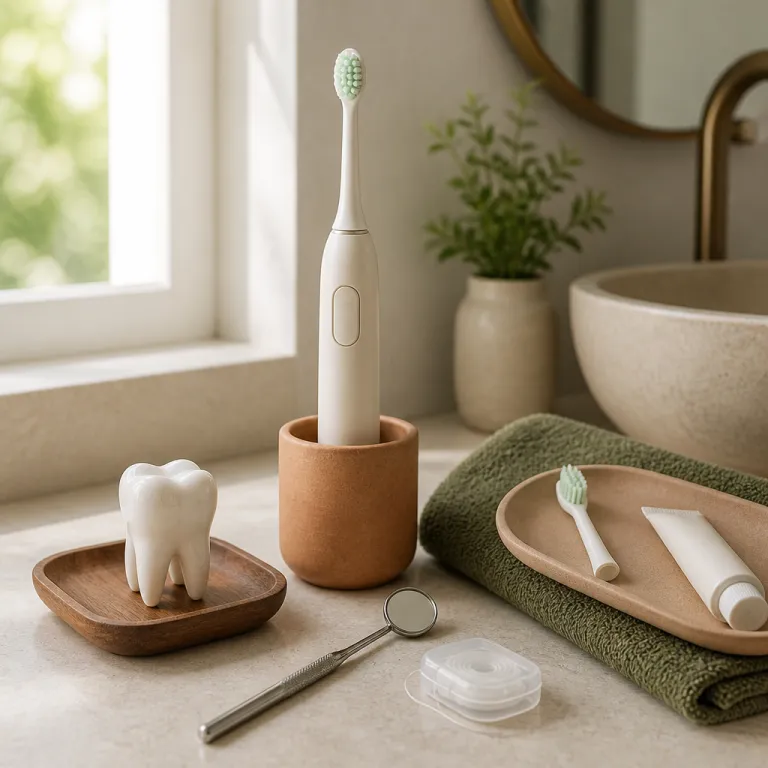
Electric toothbrush modes which ones useful for real cleaning
Most people shopping for an electric toothbrush assume more brushing modes mean cleaner teeth. In practice, the gap between a simple toothbrush electric with one main mode and a flagship model with seven brushing modes is far smaller than the marketing suggests, especially when you look at plaque removal and long term oral health outcomes. The real divide is between a brush you actually use correctly twice a day and an overcomplicated device that quietly pushes you back toward manual toothbrush habits.
When we compare electric toothbrushes like the Philips Sonicare 4100 and the Sonicare 9900 Prestige, the cleaning difference in standard mode is negligible. Both use high frequency brushing to disrupt plaque, and both rely on the same style of brush head and bristles to reach along the gumline and between teeth. What changes is the number of extra modes, animations, and app nudges layered on top, which can distract from the simple goal of a thorough clean.
Data from smart electric toothbrush apps show that most users stay in the default clean mode almost all the time. That means the headline promise behind electric toothbrush modes which ones useful rarely matches real brushing habits in everyday bathrooms. If you are already upgrading from an older toothbrush electric, you probably want better battery life, quieter cleaning, and a more comfortable brush head rather than another rarely used whitening mode.
Mode inflation happens because brands need new talking points every product cycle. It is easier to add a polishing mode, a tongue mode, and a deep clean mode on the box than to redesign brush heads or improve pressure sensors in ways that are harder to explain in a quick advert. Yet when dentists recommend electric toothbrushes, they consistently focus on oral hygiene basics such as brushing time, pressure control, and consistent coverage of all teeth surfaces.
Think about how you actually brush, not how the packaging describes brushing modes. If you mostly use one setting on your current electric manual hybrid or manual toothbrush, a new model with eight modes will not magically change your brushing habits. What will change your oral health is a pressure sensor that stops you from scrubbing your gums, a timer that keeps you brushing for the full two minutes, and brush heads that match your mouth size and sensitive teeth.
For someone with sensitive gums or early gum recession, the question is not simply which mode sounds gentle. The better question is which electric toothbrush offers a genuinely softer brushing action, more flexible bristles, and a pressure sensor tuned to cut power before you grind into your gumline. In that context, electric toothbrush modes which ones useful becomes a clinical question about dental protection, not a lifestyle choice about how many LEDs light up your bathroom.
The two features that matter more than any extra mode
Across interviews with practising dentists and hygienists, one pattern repeats with striking consistency. When they explain which features actually improve oral hygiene, they talk about a built in timer and a responsive pressure sensor long before they mention any special brushing modes. Those two tools quietly correct the two biggest human errors in brushing teeth, which are not brushing long enough and brushing far too hard.
A quadrant timer, usually set to 30 seconds per section of the mouth, forces you to give each group of teeth equal attention. Many people using a manual toothbrush rush the lower molars and over focus on the front incisors, which leaves plaque building up in the shadows where cavities and gum disease start. With an electric toothbrush that pauses or buzzes every 30 seconds, you are nudged into a more even cleaning rhythm that supports better oral health over the long term.
The second non negotiable feature is a pressure sensor that actually cuts power or changes vibration when you press too hard. Some toothbrushes only flash a tiny light on the handle, which you will never see while you watch the mirror or your phone, so look for pressure sensors that change the feel and sound of the brush. This is where the best electric designs quietly protect you from gum recession and enamel wear, even if you are half awake during your morning brushing routine.
Once those two basics are in place, extra brushing modes add only marginal gains for most people. A so called deep clean mode might extend the timer or slightly increase intensity, but you can mimic that by manually brushing an extra 30 seconds in trouble spots. A sensitive mode can be helpful for sensitive teeth, yet you can often achieve the same effect by pairing a standard mode with softer bristles and a smaller brush head that lets you angle the cleaning along the gumline more precisely.
Smart features and app integration can help if they reinforce these fundamentals rather than distract from them. A well designed app that tracks your brushing habits and highlights missed areas can be useful, especially when it pairs with a pressure sensor to show where you are over scrubbing. If you want to understand how smart home dental cleaning tools fit into this picture, a detailed guide to connected oral hygiene devices can clarify which features genuinely support better cleaning and which simply add notifications.
In testing, a mid priced electric toothbrush with two modes, a solid timer, and a clear pressure alert often outperforms a premium toothbrush electric packed with eight modes when used by real people. The reason is simple, because the simpler brush makes it easier to maintain consistent brushing habits without fiddling with settings. When you evaluate electric toothbrush modes which ones useful, start by asking whether the handle makes it effortless to brush correctly, not whether it can polish your tongue in a separate mode.
When extra brushing modes actually matter for your mouth
There are situations where extra brushing modes are more than marketing decoration. If you have just had dental surgery, implants, or complex orthodontic work, a very gentle mode with reduced power can make the difference between tolerable brushing and skipping cleaning altogether. In those cases, the question of electric toothbrush modes which ones useful becomes tightly linked to your specific dental instructions and pain thresholds.
People with braces or fixed retainers often benefit from a targeted gum care or deep clean mode. These modes sometimes alter the brushing pattern, adding short pulses that help dislodge plaque around brackets and wires where a standard clean mode might skate over trapped food. Paired with a compact brush head and softer bristles, they can make cleaning around orthodontic hardware less of a chore and more of a repeatable routine.
Another group who may genuinely use multiple brushing modes are those with pronounced sensitive teeth and a history of gum recession. A sensitive mode that lowers intensity can be paired with a standard mode for occasional stain removal, giving you flexibility without forcing you into a one size fits all compromise. Here, the best electric toothbrush for you is not the one with the most modes, but the one whose two or three modes map cleanly onto your real oral health needs.
Smart electric toothbrushes add another layer by tracking how often you actually use each mode. App dashboards from brands like Oral B and Philips show that even among tech engaged users, default cleaning modes dominate daily use. If you are curious whether all that data about your brushing habits truly makes you brush better, a critical review of smart toothbrush tracking can help you decide whether the analytics justify the higher price.
For frequent travellers, a dedicated travel mode is less important than a robust case and reliable battery life. Some electric toothbrushes label a slightly reduced power setting as a travel mode to save battery, but in practice you are better served by a handle that can last at least a week of brushing on a single charge. When you weigh electric toothbrush modes which ones useful for travel, focus on whether the brush head is protected in your bag and whether the charger is compact, not on whether the display shows a tiny airplane icon.
One more niche but valid use for extra modes is surface polishing for heavy coffee or tea drinkers. A whitening or polish mode usually combines a slightly different brushing motion with a brush head that has denser bristles or rubber polishing cups. Used once or twice a week, this can help manage surface stains, but it does not replace regular dental cleanings or change the fundamentals of plaque control and oral hygiene.
How to choose the best electric toothbrush without mode overload
If you already own an older electric toothbrush and are now shopping for a replacement, you are the person most at risk of mode overload. You know the feel of powered brushing and you probably have a sense of which aspects of your current toothbrush electric annoy you, such as weak battery life, noisy vibration, or expensive brush heads. Brands target you with promises of smarter brushing modes and app dashboards, but the smartest move is to start from your own mouth, not their spec sheets.
Begin by listing what actually matters to your daily brushing. Do you need a slimmer handle for a smaller grip, a softer brush head for sensitive teeth, or a clearer pressure sensor because you tend to scrub hard when stressed. Those concrete needs should guide your search for the best electric toothbrush, while the question of electric toothbrush modes which ones useful becomes secondary to comfort, control, and long term reliability.
Next, compare how different electric toothbrushes handle the basics of cleaning and feedback. Some models, like the Sonicare 4100, offer only a couple of brushing modes but pair them with strong plaque removal and a straightforward timer that just works. Others, such as the Oral B iO Series 10, layer on real time tracking, multiple pressure sensors, and several brushing modes that can be tuned in an app, which may appeal if you enjoy data and coaching.
Price differences between simple and feature heavy brushes can be dramatic. A detailed analysis of the real difference between a 30 and a 200 electric toothbrush shows that much of the extra cost goes into displays, charging stands, and extra modes rather than into better core cleaning. When you strip away the marketing, a mid range brush with a reliable motor, replaceable brush heads, and a clear pressure alert often delivers the best balance of oral hygiene performance and value.
Think about how you will feel using the brush on a tired Monday morning. If a handle forces you to scroll through five brushing modes to reach your preferred setting, you will eventually give up and leave it in default, or worse, reach for a manual toothbrush again. The best electric design is the one that turns on in your preferred mode, signals pressure changes clearly, and lets you clean every tooth surface without thinking about which icon is glowing.
Over the long term, what protects your oral health is not a whitening mode or a tongue mode, but consistent, gentle brushing that respects your gums. Dentists recommend choosing a toothbrush electric that you can imagine using twice a day for years, with brush heads that are easy to find and replace and a handle that survives travel and bathroom drops. In that sense, electric toothbrush modes which ones useful is really a question about sustainability of your brushing habits, because the best electric toothbrush is the one that quietly fits your life rather than the one that shouts the loudest from the box.
Key figures about electric toothbrush use and modes
- Multiple independent tests comparing electric toothbrushes with one or two modes against premium models with five or more modes have found similar plaque removal scores when users brush for the same two minute duration, showing that brushing time and technique matter more than the number of modes offered.
- Consumer Reports testing of budget and premium electric toothbrushes reported that several mid priced models from emerging brands matched or nearly matched top tier brushes in plaque reduction, despite offering fewer brushing modes and simpler displays.
- Usage data shared in reviews of smart electric toothbrush apps indicate that the default clean mode accounts for the vast majority of brushing sessions, often above 80 percent, which suggests that most extra modes see little real world use.
- Clinical studies comparing manual toothbrush and electric toothbrush performance consistently show that powered brushing reduces plaque and gingivitis more effectively over periods of several months, especially when a timer and pressure sensor are used to guide brushing habits.
- Surveys of practising dentists and hygienists report that they prioritise recommending electric toothbrushes with a built in timer and pressure sensor over models with many brushing modes, because these two features directly address common causes of gum recession and enamel wear.