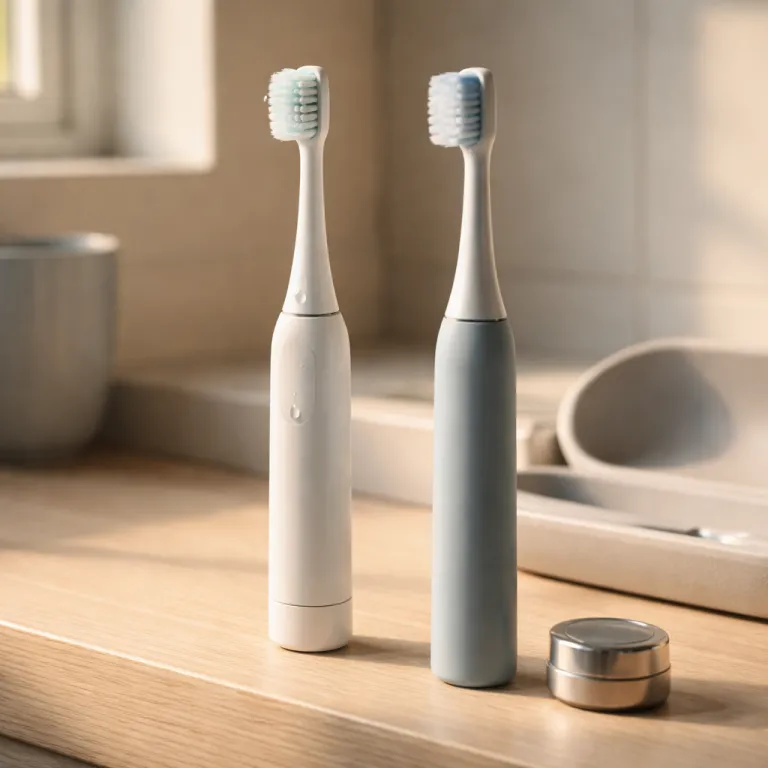
What a $30 electric toothbrush really gives your teeth
Around 30 dollars buys a simple electric toothbrush that still beats a manual brush for most people. In independent plaque removal tests reported by organizations such as Consumer Reports and similar review labs, entry level models such as the Philips Sonicare 1100 and basic Fairywill brushes have removed noticeably more plaque than a standard manual toothbrush when the built in two minute timer is used correctly. For a first time upgrader, this is often the best electric starting point because you feel a clear step up in cleaning without the shock of a premium price tag.
At this level you usually get one or two basic cleaning modes, a single brush head in the box, and a modest rechargeable battery that lasts several days of normal use between charges. The motor is typically sonic rather than oscillating rotating, which means high frequency vibrations do most of the brushing work while you simply guide the head along the gumline with light pressure. You still benefit from core electric toothbrush technology, but you skip extras such as a pressure sensor, Bluetooth connectivity, or a rigid travel case that would raise the price sharply.
- Pros: Very low upfront cost, clearly better plaque removal than a manual toothbrush, simple controls, and widely available replacement brush heads.
- Cons: Can feel rougher and louder, fewer comfort features, and shorter battery life than mid range electric toothbrushes.
The trade off is that these budget electric toothbrushes can feel a little rougher and louder, and the battery capacity may fade sooner with heavy use. Replacement brush heads are often cheaper, yet they can be generic and less refined than premium Philips Sonicare or Oral B options, so long term comfort and gum care may vary. If you are moving from a manual toothbrush to your first electric toothbrush, though, a 30 dollar brush is often the best electric value because it delivers a cleaner mouth and more consistent brushing habits at the lowest realistic price.
What 50 to 80 dollars adds to your daily brushing
Move into the 50 to 80 dollar range and the character of the electric toothbrush changes noticeably. You still see straightforward handles such as the Oral B Pro 1000 and Philips Sonicare 4100, but now the motor feels smoother on teeth and the handle usually includes a pressure sensor that flashes or vibrates when you press too hard. Consumer Reports has reported that the Oral B Pro 1000, an oscillating rotating brush, can match or outperform some brushes that cost significantly more in plaque removal and overall cleaning performance in its comparative ratings of electric toothbrushes.1
In this band you typically see two or three cleaning modes, better quality brush heads, and a battery life that stretches to roughly two weeks of normal brushing, or about fourteen days, based on manufacturer specifications and typical user reports. The minute timer often includes a 30 second quadrant pacer, which nudges you to move the brush head around the mouth so every surface gets the same clean feeling. For many people this is where the best electric value curve peaks, because you gain meaningful oral health upgrades without paying for decorative smart features you may never use.
- Pros: Noticeably smoother brushing, useful pressure alerts, longer battery life, and higher quality replacement heads than budget models.
- Cons: No luxury travel case or wireless charging, and brand name replacement heads from Philips or Oral B can increase long term ownership costs.
There is still no premium travel case or wireless charging dock in most models, and replacement heads from Philips or Oral B can raise the long term price if you change a replacement brush every three months as dentists advise. Yet the combination of a reliable battery, a clear pressure alert, and solid cleaning modes makes these electric toothbrushes feel like serious tools rather than gadgets. If you care more about clean teeth than about an app, this price range quietly beats many glamorous flagship series once you compare price against performance.
Why 100 to 150 dollars feels different in your hand and mouth
Step up again to roughly 100 to 150 dollars and the electric toothbrush starts to feel like a small appliance rather than a simple brush. Mid range models such as the usmile Y10 PRO, higher Philips Sonicare lines, and some Oral B Pro and iO handles add multiple cleaning modes, refined brush heads, and often Bluetooth connectivity with smart features in a companion app. In one long term comparative test series carried out by a review team using multiple volunteers over several months, the usmile Y10 PRO was used for more than 300 hours of combined brushing time and was rated best overall for people who want the best electric balance between price, comfort, and cleaning power.2
In daily use the difference shows up in the way the sonic motor ramps up gently, the way the pressure sensor responds quickly, and the way the handle sits in your hand during two minutes of brushing. You still get a minute timer and quadrant pacing, but you may also see coaching prompts, brushing streaks, and oral care tips inside the app that help you keep every tooth surface consistently clean. For buyers who like data, guides such as “how to pick your first electric toothbrush without getting lost in features” can help you decide whether these smart features will genuinely improve your brushing or simply add complexity.
- Pros: More comfortable brushing experience, longer battery life, smarter feedback, and travel cases that make it easier to protect the handle and brush heads.
- Cons: Higher upfront price, more expensive proprietary replacement heads, and extra features that some users may ignore after the first few weeks.
Battery life usually stretches beyond two weeks, sometimes close to a month of regular use according to manufacturer claims and user testing, and a sturdy travel case often comes in the box for easier packing. Replacement heads may be more expensive, especially for premium Philips Sonicare brush heads or proprietary usmile designs, yet they tend to glide more gently over gums and reach tight spaces better. If you are willing to pay more than a basic price but less than luxury money, this tier often feels like the sweet spot where electric toothbrushes justify their cost every single morning.
What 200 dollars and above really buys beyond a clean mouth
Once you cross the 200 dollar line, you are paying for refinement and digital coaching more than for raw cleaning power. Flagship models such as the Oral B iO Series 9 and iO Series 10, along with Philips Sonicare DiamondClean Smart, add seven or more cleaning modes, 3D tracking, and a charging travel case that doubles as a sleek stand. The brush heads often include specialized designs for whitening, gum care, and deep cleaning, and the handles showcase premium materials that feel luxurious in the hand.
These electric toothbrushes use advanced oscillating rotating or high frequency sonic motors, yet plaque removal on teeth is only modestly better than what you get from a well used Oral B Pro 1000 or mid range Philips Sonicare brush. The real shift lies in smart features such as AI coaching, real time pressure maps, and detailed brushing reports that show where you consistently miss spots. If you are curious about whether smart toothbrushes and their data actually make you brush better, in depth analyses of smart toothbrush tracking from consumer testing groups and dental researchers can help you decide whether this level of digital oral monitoring fits your habits.
- Pros: Most advanced tracking and coaching tools, premium materials, excellent battery life, and specialized brush heads for targeted whitening or gum care.
- Cons: Very high initial cost, the most expensive replacement heads and chargers, and only small gains in plaque removal compared with strong mid range electric toothbrushes.
Battery life is usually excellent, and some premium handles can stretch for many days even with intensive brushing modes and bright displays. Replacement heads and replacement brush packs, however, are among the most expensive on the market, and losing a proprietary travel case or charger can be painful at this price. For most first time upgraders, the honest verdict is clear: the best electric value rarely sits at the very top of the price chart, because the extra money mainly buys polish, not dramatically cleaner teeth.
How to choose the best electric toothbrush for your budget and mouth
Choosing the best electric toothbrush for your own mouth starts with your gums, not with the catalog. If you have sensitive teeth or a history of gum problems, a gentle sonic motor with a soft brush head and a responsive pressure sensor matters more than a long list of cleaning modes. People with healthy gums and lots of coffee or tea staining may prefer firmer brush heads and a whitening mode, even if the handle lacks smart features or a premium travel case.
Think about how often you are willing to charge the battery and replace brush heads, because battery life and replacement heads quickly shape the real cost of ownership. A handle that lasts twenty days between charges and uses affordable replacement brush packs can be a better long term buy than a glamorous flagship model that demands pricey proprietary heads. Before you check price on any electric toothbrush, add up the cost of replacement heads over three years and compare that figure with the initial price tag.
As a simple example, replacing a 6 dollar brush head every three months for three years adds about 72 dollars to the purchase price, while a 12 dollar premium head on the same schedule adds roughly 144 dollars over the same period. These figures are typical estimates based on common retail prices and standard three month replacement guidance from dental organizations. For many readers, the best electric choice is a 50 to 150 dollar brush that combines a minute timer, a clear pressure alert, and one or two useful cleaning modes with a comfortable grip. If you are unsure where to start, practical guides on safely removing tartar at home and maintaining healthier gums can help you match a toothbrush to your wider oral care routine. In the end, the real difference between a 30 and a 200 dollar electric toothbrush is not the feature list, but the way your mouth feels on a random Monday morning after months of consistent, thoughtful brushing.
FAQ
Are expensive electric toothbrushes actually better for oral health ?
High end electric toothbrushes offer more cleaning modes, smart features, and refined brush heads, but plaque removal gains over solid mid range models are usually modest. For most people, a reliable pressure sensor, a minute timer, and consistent brushing technique matter more than paying for AI coaching or a charging travel case. If your budget is limited, a well chosen 50 to 100 dollar brush can support excellent oral health when used twice daily with proper technique.
How much should a first time upgrader spend on an electric toothbrush ?
For a first electric toothbrush, spending between 40 and 80 dollars typically delivers the best balance of cleaning performance, comfort, and durability. In this range you usually get a dependable battery, a pressure alert, and at least one gentle mode suitable for sensitive teeth and gums. Cheaper brushes still beat manual brushing, but they often compromise on battery life, noise, and the quality of brush heads and replacement heads.
Do I really need multiple cleaning modes on my toothbrush ?
Most people use one primary mode for almost all brushing, so extra cleaning modes are often underused. A standard daily clean setting plus a gentler mode for sensitive gums is enough for the majority of users. If you enjoy experimenting or share the handle with family members who have different oral needs, then extra modes can add value without changing core cleaning power.
How often should I replace electric toothbrush brush heads ?
Dental organizations generally recommend changing an electric brush head every three months, or sooner if the bristles splay or feel less effective. Worn brush heads clean less efficiently and can encourage you to use more pressure, which may irritate gums. When comparing brushes, always factor the ongoing cost of replacement heads into the total price over several years.
Is a sonic toothbrush better than an oscillating rotating model ?
Sonic toothbrushes use high frequency side to side vibrations, while oscillating rotating brushes use small round heads that spin and pulse around each tooth. Both technologies can clean teeth very effectively when paired with a minute timer, light pressure, and good technique. The better choice is usually the one that feels more comfortable in your mouth and fits your budget, rather than the one with the most aggressive marketing claims.
1 Based on Consumer Reports coverage of electric toothbrush performance, which has found the Oral B Pro 1000 competitive with higher priced models in plaque removal tests and overall ratings.
2 Testing hours refer to cumulative brushing time across multiple users in a controlled comparison of mid range electric toothbrushes, with each participant following standard two minute, twice daily brushing routines over several weeks.