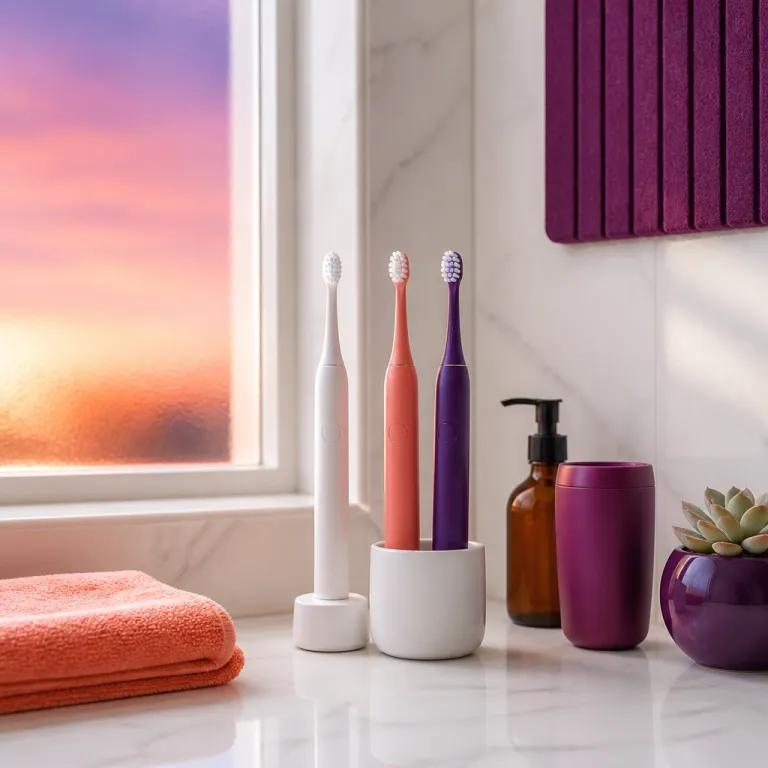
Why quiet matters when you share a bathroom
A loud electric toothbrush can feel harmless until you share thin walls. When you brush near a sleeping child or partner, the high pitched sonic whine or mechanical grind suddenly becomes the only sound in the room, and the quietest electric toothbrush low noise models start to look less like a luxury and more like basic courtesy. For many parents, the choice of toothbrush and brush head is really a choice about whether the 6 am brushing routine wakes the whole household.
Noise from an electric toothbrush comes from the motor, the vibration of the brush heads, and how those vibrations travel through your teeth and jaw. Sonic designs such as a sonic toothbrush or broader sonic electric models vibrate at 24 000 to 62 000 movements per minute, which creates a higher pitched sound that some people find sharper even when the decibel level is moderate, while oscillating rotating designs such as many oral series or oral pro brushes tend to produce a lower mechanical hum that can sound less piercing but sometimes measures louder. Bathroom acoustics amplify both types because hard tiles, mirrors, and basins reflect sound, so the same electric toothbrush that seems acceptable in a carpeted bedroom can feel intrusive when you brush beside a tiled shower.
For a health conscious parent, this is not an abstract annoyance. You might be trying to help a nervous child build an oral care habit without associating brushing with a harsh buzzing in their ears, and you may also be timing your own brushing around naps or early meetings. Choosing the best electric toothbrush for a noise sensitive household means weighing battery life, cleaning modes, and price against the real world sound of the product at the sink, not just the marketing claims on an amazon listing or the glossy box.
Sonic versus oscillating: how design shapes sound and feel
When you compare sonic toothbrush designs with oscillating rotating brushes, you are really comparing two different ways to move plaque and two different sound signatures. Sonic models such as many philips sonicare and other sonic electric brushes use side to side vibrations at very high frequency, which create both direct mechanical cleaning on the teeth and a fluid dynamic effect in the toothpaste and saliva, while oscillating models such as typical oral series or oral pro brushes use a small round brush head that rotates back and forth to scrub each tooth. The quietest electric toothbrush low noise options exist in both families, but they sound and feel distinct in the mouth.
In practice, sonic brushes often produce a higher pitched whirr that some adults barely notice but that children and noise sensitive users can find fatiguing, especially in a small bathroom where the sound bounces off tiles. Oscillating electric toothbrushes tend to emit a deeper, chugging noise that can be louder on a decibel meter yet less irritating to some ears, and the sensation on the teeth feels more like a series of taps than a continuous buzz, which some people interpret as a stronger deep clean even when plaque scores are similar. For parents, the choice between a sonic toothbrush and an oscillating brush is often about which sound your child tolerates better during brushing, not just which brand claims to be the best electric option.
Noise also interacts with features such as a pressure sensor, minute timer, and cleaning modes. A pressure sensor that vibrates or changes tone when you press the brush head too hard can add short bursts of extra sound, while intense cleaning modes such as “deep clean” or “whitening” usually run the motor at higher power and therefore slightly higher noise, and gentler modes for sensitive teeth or gums are often quieter but may extend brushing time. If you want a rechargeable electric brush that stays calm in a sleeping household, it is worth testing how each mode sounds in your own bathroom rather than relying on a generic decibel figure or a single amazon review.
Parents who are balancing budget and noise often start with mid range models rather than the most expensive flagship brushes. A solid rechargeable electric toothbrush under a modest price can still offer a pressure sensor, a two minute timer, and multiple cleaning modes without sounding like a power tool, and some of the best electric options in this bracket have been tested in independent guides to electric toothbrushes that dentists take seriously at lower prices. When you weigh price against sound, remember that a slightly cheaper brush that your child actually uses twice a day is more valuable than a premium sonic electric model that they avoid because it feels too loud.
Real world quiet: models that stay civil at 6 am
Marketing copy about the quietest electric toothbrush low noise performance rarely matches the reality of a tiled bathroom at dawn. What matters is not only the decibel rating on a spec sheet but also the pitch of the sound, the vibration through the handle, and how the brush interacts with your teeth and jaw during brushing. When we look at current electric toothbrushes through that lens, a few patterns emerge for noise sensitive households.
Philips sonicare models are consistently rated by users as quieter than many rivals, especially compared with some premium oscillating designs, and the typical sonicare brush produces a smooth hum rather than a harsh buzz, which many parents find easier to tolerate while a child is brushing. The philips sonicare ProtectiveClean and similar mid range brushes pair a relatively quiet motor with a pressure sensor and minute timer, so you get both gentle sound and practical safeguards for oral health, and their brush heads are widely available as replacement heads, which keeps long term price manageable. For families, the ability to share a handle with different brush heads and cleaning modes while keeping noise modest can be more important than chasing the absolute best electric plaque score.
Newer entrants such as SURI 2.0, Xiaomi sonic electric models, and Laifen brushes have pushed hard on quiet operation at lower price points, often advertising around 55 dB, which is roughly normal conversation level. In everyday use, that means you can stand outside a bathroom door while someone uses the electric toothbrush and hear a soft hum rather than a penetrating whine, and a sleeping child in the next room is less likely to stir. If plaque removal is your main concern, pairing one of these quieter brushes with good technique and a guide to top electric toothbrushes for plaque removal can deliver both clean teeth and a calmer home.
Bathroom acoustics, kids, and shared walls
Even the quietest electric toothbrush low noise design can sound louder than expected once you step into a typical family bathroom. Hard tiles, glass shower doors, and porcelain basins reflect sound rather than absorbing it, so the hum of an electric toothbrush bounces around the room and seems to grow, while the vibration through the handle can transmit into the sink or mirror cabinet if you rest the brush there. That is why a brush that feels acceptable in an open bedroom can suddenly seem intrusive when you brush in a small, echoing space.
For parents, this acoustic reality intersects with the daily rhythm of family life. Early risers often brush while children are still asleep, and a high pitched sonic toothbrush can cut through a closed door more easily than a lower pitched oscillating brush, especially in apartments with shared walls where neighbours may also hear the sound, so choosing a quieter electric toothbrush becomes part of being a considerate neighbour as well as a considerate parent. Some families even keep a separate, extra quiet brush for late night or early morning use, while using a more powerful sonic electric model at other times when noise is less of a concern.
Simple habits can reduce perceived noise without changing your product. Closing the bathroom door, placing a towel on hard surfaces where you rest the brush head or travel case, and avoiding contact between the handle and the basin during brushing all cut down on reflected sound, and teaching children to keep the brush slightly away from their teeth before turning it on reduces the initial jolt of noise and splatter. If you are choosing between toothbrushes with similar price and features, it is worth taking the one with a softer sound profile, because you can always add a more intense deep clean mode later but you cannot make a loud motor quiet.
Features that matter for quiet, family friendly brushing
Noise is not the only factor when you choose an electric toothbrush for a noise sensitive household, but it interacts with almost every other feature. A brush with strong cleaning modes, a reliable battery, and a comfortable brush head will encourage consistent brushing, which matters more for oral health than any single specification, while a harsh sounding product that your child avoids will undermine even the best intentions. The quietest electric toothbrush low noise models tend to combine moderate power with smart design rather than brute force.
Look closely at the pressure sensor and minute timer on any brush you consider. A well tuned pressure sensor will alert you when you press too hard without emitting an aggressive beep or jarring vibration, and a gentle change in handle feel or light indicator is usually enough to protect teeth and gums, while a loud alarm can startle children and make them dread brushing, so test how each product signals pressure before you buy. The minute timer should guide you through two minutes of brushing in 30 second quadrants without adding unnecessary sound, and some of the best electric models use a subtle pause in vibration rather than a loud tone to mark each interval.
Battery life and charging style also shape how family friendly a brush feels. A rechargeable electric toothbrush with a long lasting battery can live in a travel case between trips without constant charging noise or bright indicator lights, and families who share a single handle with multiple brush heads will appreciate not having to dock the brush every night, which reduces clutter and the risk of the handle vibrating against the charger. When you compare price product options, remember that a slightly higher price for a brush with better battery life and quieter operation may pay off in fewer arguments about who woke the baby during late night brushing.
Value, replacement heads, and long term noise trade offs
Once you move beyond the first few weeks with a new electric toothbrush, the quietest electric toothbrush low noise choice becomes a long term relationship shaped by replacement heads, maintenance, and family routines. Brush heads wear out every two to three months for most users, and worn bristles can make extra noise as they splay and vibrate unevenly against the teeth, so keeping up with replacement brush heads is not only a hygiene issue but also a sound issue. A brand with widely available replacement heads at a fair price makes it easier to keep the brush performing quietly and effectively.
Philips sonicare and many oral series or oral pro models offer a wide range of replacement brush options, from soft bristles for sensitive teeth to firmer designs for a deep clean, and each head can slightly change the sound and feel of brushing, so it is worth experimenting to find the combination that your family tolerates best. Some sonic electric brushes include a brush head reminder feature that tracks usage and signals when to change the head, which indirectly keeps noise consistent by preventing over worn bristles from chattering on enamel, and families who share a handle can assign different coloured brush heads to each person to avoid confusion. When you evaluate the total price product over several years, factor in the cost of replacement heads and the convenience of buying them from local shops or amazon rather than hunting for obscure models.
Travel habits also matter. A brush with a sturdy travel case protects the handle and brush head from knocks that can loosen internal components and increase rattling noise over time, and a model with strong battery life means you can leave the charger at home for short trips, which simplifies packing for families. If you want to understand how smart features such as app connectivity and brushing feedback can fit into this picture without adding unnecessary complexity, a detailed guide to how an electric toothbrush smart system transforms daily oral care can help you decide whether those extras are worth the extra cost and potential noise.
Does quieter mean weaker cleaning power ?
Many parents worry that choosing the quietest electric toothbrush low noise option means sacrificing cleaning performance, especially if they have a history of dental issues. In practice, quieter does not automatically mean weaker, because sound depends on motor design, housing materials, and vibration frequency as much as on raw power, and some of the best electric brushes manage to deliver strong plaque removal with a surprisingly soft acoustic footprint. The key is to look at independent plaque reduction tests and real user feedback rather than assuming that a louder brush cleans better.
Sonic toothbrush designs such as philips sonicare often feel gentle on the teeth while still delivering excellent plaque removal, thanks to the combination of direct bristle contact and fluid dynamics in the mouth, and many users report that their teeth feel smoother after a week of consistent brushing even when the sound is relatively subdued. Oscillating electric toothbrushes from oral series or oral pro lines can feel more aggressive because the small round brush head scrubs each tooth individually, which some people interpret as a deeper clean, but that sensation does not always translate into better clinical outcomes, especially if you press too hard and trigger the pressure sensor repeatedly. For children and noise sensitive adults, a slightly quieter sonic electric model with good technique often beats a louder brush used reluctantly or inconsistently.
Ultimately, the right balance between noise and cleaning power depends on your household. If a loud brush wakes a baby or disturbs a partner, you are more likely to cut brushing sessions short or skip them entirely, which harms oral health more than choosing a marginally less intense cleaning mode, and a calm, predictable sound can make it easier to build a twice daily habit for the whole family. In the end, what matters is not the feature list but the Monday morning brushing feel, when you reach for the handle at 6 am and know it will clean your teeth well without waking the house.
Key figures on electric toothbrush noise and usage
- Many modern quiet focused electric toothbrushes advertise around 55 dB during operation, which is roughly the level of a normal conversation at one metre according to acoustic engineering references.
- Typical sonic toothbrush models operate between 24 000 and 62 000 brush strokes per minute, a range that produces a higher pitched sound than oscillating rotating brushes but allows effective cleaning with lighter pressure on the teeth.
- Independent surveys of electric toothbrush users have found that noise is among the top three reasons people stop using a particular brush model, alongside battery life frustrations and the price of replacement heads.
- Clinical studies comparing manual and electric toothbrushes report that powered brushes can reduce plaque by roughly 20 percent more over several months of use, showing that even quieter models can deliver meaningful oral health benefits when used consistently.
- Market analyses indicate that philips sonicare and oral series or oral pro lines together account for a majority share of the global electric toothbrush market, which helps ensure wide availability of replacement brush heads and accessories for families.
FAQ about quiet electric toothbrushes
Are sonic toothbrushes always louder than oscillating brushes ?
Sonic toothbrushes are not always louder, but they usually produce a higher pitched sound that some people notice more even at similar decibel levels. Oscillating brushes often have a deeper mechanical hum that can measure slightly louder yet feel less sharp to the ear. The quietest electric toothbrush low noise options exist in both categories, so it is worth testing each type if you are sensitive to sound.
Can a quieter electric toothbrush still give a deep clean ?
A quieter electric toothbrush can still provide a deep clean when it combines an efficient motor, well designed brush heads, and proper brushing technique. Clinical research shows that both sonic and oscillating models can remove more plaque than manual brushes, even when tuned for lower noise. For most families, consistent two minute brushing with a quiet brush matters more than chasing the most aggressive cleaning mode.
What features should parents prioritise for kids in noise sensitive homes ?
Parents in noise sensitive households should prioritise a gentle sound profile, a soft brush head, and a clear but not startling pressure sensor. A built in minute timer that uses a subtle pause rather than a loud beep helps children learn proper brushing time without adding extra noise. Lightweight handles and simple cleaning modes also make it easier for kids to build a positive oral care habit.
How often should I replace brush heads to keep noise down ?
Most manufacturers recommend replacing brush heads every two to three months, and this schedule also helps keep noise consistent. Worn bristles can splay and chatter against the teeth, which increases both sound and vibration. Sticking to regular replacement intervals maintains both cleaning performance and the quiet operation you chose in the first place.
Is it worth paying more for a quieter electric toothbrush ?
Paying more for a quieter electric toothbrush can be worthwhile if noise is causing skipped brushing sessions or family tension. A slightly higher price for a model with better sound insulation, longer battery life, and affordable replacement heads often pays off over several years of daily use. For many households, the extra cost is justified by calmer mornings and more consistent oral care.