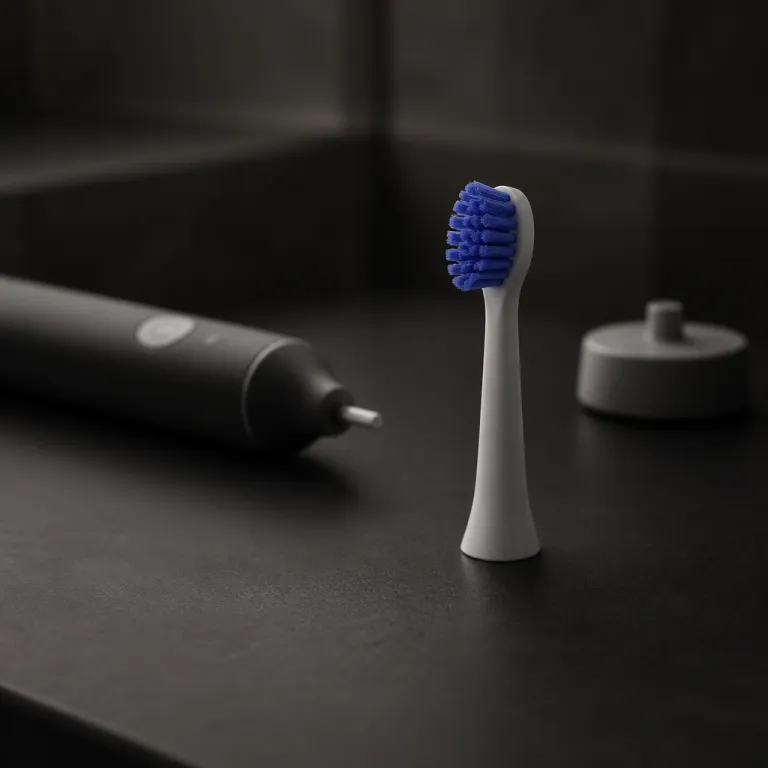
What an ecosystem really means in electric toothbrushes
When people talk about an Oral-B vs Sonicare ecosystem comparison, they usually mean cleaning power or price. In reality, the ecosystem around each electric toothbrush includes the oral care apps, the brush heads, the chargers, the accessories, and even how your brushing data is stored over time. Once you own one of these premium toothbrushes, the quiet lock-in starts with every replacement brush head you buy.
Think about your current electric brush as a hub for your daily health routine. The handle, the specific brush heads, the pressure sensor, the smart app, and any matching water flosser or travel case form a closed loop that feels convenient but also narrows your future choices. You are not just buying an electric toothbrush handle, you are buying into a system that shapes how you manage plaque removal, gingival health, and long term oral electric habits.
In this Oral-B vs Sonicare ecosystem comparison, the most important parts are invisible. You feel the oscillating rotating or sonic toothbrush motion on your electric teeth, but you do not see the data that the smart app logs about your brushing coverage, pressure, and battery life. That hidden layer of information, combined with the cost of replacement heads and chargers, is what quietly raises the real price of switching ecosystems later.
Oral-B structures its ecosystem around distinct hardware families, and that matters. Oral-B iO brush heads only fit iO handles, while older Oral-B Pro and Vitality brush heads are interchangeable within their own family but not across to iO, which creates separate islands of compatibility inside the same brand. Philips Sonicare, by contrast, uses a click on system for most brush heads, which makes many sonic toothbrush models and brush heads work together across generations.
That difference in brush head compatibility shapes how you plan your upgrades. If you own an Oral-B iO Series 8 now, every pack of iO brush heads you buy reinforces your commitment to that specific oscillating rotating ecosystem. A Philips Sonicare user with a ProtectiveClean handle can usually move up to a more premium DiamondClean or 9900 Prestige handle and keep using many of the same brush heads, which softens the long term cost of staying loyal.
Chargers and accessories add another layer of ecosystem gravity. Sonicare leans heavily on proprietary charging bases and glass chargers for its top models, while Oral-B often uses simpler stands and, in some cases, USB based travel chargers that feel more flexible. The more unique the charger and the more integrated the accessories, the harder it becomes to treat an electric toothbrush as a simple, swappable appliance.
Smart features deepen this lock-in by turning your toothbrush into a data device. The Oral-B iO Series 10, for example, tracks lifetime brushing data in its app, logging how often you hit the dentist recommended two minutes and how frequently the red light pressure warning flashes. Philips Sonicare’s 9900 Prestige uses adaptive AI to learn your brushing style and adjust intensity, which means the longer you use it, the more tailored the brushing experience becomes.
From a health perspective, that data can be genuinely useful. Consistent feedback about plaque reduction, pressure control, and missed zones can improve gingival health more reliably than any manual toothbrush with no guidance. Yet the more your oral health routine depends on one brand’s app and algorithms, the more you pay in lost history and learning if you ever decide to switch to another electric toothbrush ecosystem.
Even the humble water flosser and travel case are part of this story. Many Oral-B users pair their electric toothbrushes with a matching water flosser, while Sonicare fans often buy a Philips Sonicare branded flosser to keep everything in one app and one charger family. Over time, these small decisions about accessories and brush heads turn a simple Oral-B vs Sonicare ecosystem comparison into a broader question about how much control you want a single brand to have over your daily brushing and flossing habits.
Where Oral-B and Sonicare lock you in differently
Once you look past marketing slogans, the Oral-B vs Sonicare ecosystem comparison comes down to very specific hardware and software choices. Oral-B leans on mechanical differentiation, with oscillating rotating technology and tightly controlled brush head families, while Philips Sonicare leans on sonic vibration, proprietary charging, and a more unified click on brush head system. Both approaches shape how easy or painful it feels to move between electric toothbrushes over the next decade.
Start with brush heads, because they are the recurring cost that quietly dominates the long term price of any electric toothbrush. Oral-B iO brush heads are unique to the iO line, so they do not fit older Oral-B Pro or Vitality handles, which means an upgrade to iO effectively strands any stockpile of older brush heads. Sonicare’s click on brush heads, including the DiamondClean and C3 Premium Plaque Control lines, are mostly backwards compatible, so a user can often upgrade from a mid range sonic toothbrush to a top Philips Sonicare handle without throwing away existing brush heads.
Replacement heads typically cost between 6 and 10 dollars per brush head for both brands, and most dentists recommend changing them every two to three months. That means a typical user will buy four to five replacement heads per year, turning a one time handle purchase into a steady subscription like expense. Over five years, the total cost of brush heads can easily exceed the original price of the best electric handle, which makes compatibility and long term planning more important than the initial discount you might see in a short term test or promotion.
Charging systems are the second big lever of ecosystem lock in. Many Philips Sonicare models, especially the premium DiamondClean and 9900 Prestige, use proprietary charging glasses or stands that do not work with other brands and sometimes not even with older Sonicare toothbrushes. Oral-B chargers are often simpler and more standardized within each family, but the iO line still uses its own magnetic charger, which means you cannot easily share chargers between an iO handle and an older Oral-B Pro handle.
Smart features and apps add a softer but very real form of lock in. The Oral-B iO Series 10 app tracks lifetime brushing data, including plaque removal scores, pressure events, and coverage maps, which can be motivating for users who like to see their oral health progress. Philips Sonicare’s 9900 Prestige uses AI to adapt to your brushing style, learning where you rush, where you apply too much pressure, and when your battery life patterns suggest you might skip a session, and that learning resets completely when you move to a different device.
Do these smart features actually improve health outcomes enough to justify the lock in? For some users, yes, especially those who previously struggled with plaque reduction or gingival health when using a basic manual toothbrush. Real time pressure sensor alerts, red light warnings on the handle, and app based coaching can reduce plaque and bleeding gums measurably over a few months, but only if you actually engage with the feedback and keep the electric toothbrush charged and in daily use.
There is also the question of how much you value your brushing history. If you have used an Oral-B iO with a smart app for several years, the app holds a detailed record of your brushing frequency, average session length, and pressure trends, which can be useful when discussing oral health with a dentist. Switching to Philips Sonicare or another brand means starting from zero, losing that longitudinal data and any personalized coaching that the AI or app had built around your habits.
For readers comparing sonic vs oscillating brushes in a structured way, it helps to look at independent testing and expert analysis rather than just brand claims. Resources that explain the benefits of a sonic tooth cleaner, such as this detailed guide on the advantages of sonic tooth cleaning technology, can clarify how sonic vibration interacts with plaque and fluid dynamics around the gumline. When you combine that technical understanding with a clear view of ecosystem lock in, the Oral-B vs Sonicare ecosystem comparison becomes less about hype and more about which constraints you are willing to accept for your daily brushing routine.
| Feature | Oral-B (Pro / Vitality) | Oral-B iO | Philips Sonicare (ProtectiveClean / DiamondClean / 9900) |
|---|---|---|---|
| Brush head compatibility | Shared heads within Pro / Vitality family only | Exclusive iO heads, not compatible with older Oral-B | Click-on heads used across many models and generations |
| Typical head price range | About $6–$10 per replacement head | About $6–$10 per replacement head | About $6–$10 per replacement head |
| Charging style | Simple proprietary stand, some shared bases | Dedicated magnetic charger, not cross compatible | Brand specific stands or glass chargers, model dependent |
| Smart features and data | Limited or no app support on basic models | App with lifetime data, pressure and coverage tracking | App with AI coaching and adaptive intensity on premium lines |
The real cost of switching brands for informed replacers
If you already own a decent electric toothbrush, the Oral-B vs Sonicare ecosystem comparison feels different from a first time buyer’s choice. You are not just weighing plaque removal claims or the feel of oscillating rotating versus sonic brushing, you are calculating the cost of abandoning your existing brush heads, chargers, and app data. For the informed replacer, switching ecosystems is less about excitement and more about avoiding regret.
Start by adding up the hardware you already have in your bathroom. Count the unopened replacement heads, the travel case, any matching water flosser, and the chargers tucked behind the sink, because all of these are part of your current oral electric ecosystem. If you move from an Oral-B Pro handle to a Philips Sonicare sonic toothbrush, for example, every Oral-B brush head and charger you own becomes sunk cost, while your new Sonicare handle will require a fresh stock of compatible brush heads and possibly a new proprietary charger.
Then consider the software side, especially if you use a smart app. An Oral-B iO user with years of brushing data, pressure sensor alerts, and plaque reduction scores stored in the app will lose that history when moving to Sonicare or to a more open brand like SURI, and the same is true in reverse for a Philips Sonicare 9900 Prestige user. That loss is not just sentimental, because long term brushing data can highlight patterns like weekend skipping, frequent red light pressure warnings, or declining battery life that might signal a need for a new electric toothbrush or a change in brushing technique.
Money still matters, and here the recurring cost of brush heads dominates. If you buy four to five replacement heads per year at roughly 6 to 10 dollars each, you are spending between 24 and 50 dollars annually just to keep your electric toothbrushes performing at their best. Over the lifespan of a premium handle, that can easily exceed the original price of the device, which is why compatibility within an ecosystem and the ability to reuse brush heads across upgraded handles can be more important than a one time discount on the handle itself.
Performance differences between oscillating rotating and sonic toothbrush models also influence whether a switch feels worthwhile. Some users report that Oral-B’s round brush head and mechanical action feel more aggressive on plaque, especially along the gumline, while others prefer the smoother, humming sensation of a Philips Sonicare sonic toothbrush that relies on high frequency vibration and fluid dynamics. If your dentist has praised your plaque reduction and gingival health with your current system, the marginal gains from switching ecosystems may not justify the cost of new brush heads, chargers, and lost data.
There is also the psychological comfort of familiarity. You know exactly how long your current battery life lasts between charges, how the pressure sensor feels when you press too hard, and how the handle balances in your hand during two minutes of brushing. A new electric toothbrush, even a best electric flagship model, introduces uncertainty about noise level, vibration feel, and whether the smart app’s coaching style will actually motivate you or just feel like nagging.
For people who like structured guidance, spinner style oscillating rotating brushes can still be appealing. A detailed explainer on why a spinner toothbrush can suit daily oral care shows how a small round brush head can simplify technique, especially for those transitioning from a manual toothbrush. If that style of brushing already works for you, staying within the Oral-B ecosystem and moving from an older oral pro handle to an iO model may offer a smoother upgrade path than jumping to a Philips Sonicare sonic system.
Ultimately, the real cost of switching brands is a mix of money, data, and habit. You pay in replacement heads and chargers, you pay in lost brushing history and AI learning, and you pay in the time it takes to adapt your muscle memory to a new brush head shape and vibration pattern. For an informed replacer who already has decent plaque control and stable gingival health, the smartest move is often to upgrade within the same ecosystem unless there is a clear, specific problem your current electric toothbrush cannot solve.
The third way: open ecosystems and how to choose wisely
There is a growing third option in the Oral-B vs Sonicare ecosystem comparison, and it comes from brands that deliberately loosen the lock in. Companies like SURI and Laifen design electric toothbrushes with more open brush head systems, simpler chargers, and a focus on sustainability rather than deep app integration. Their ecosystems are smaller, but they offer a different kind of comfort for users who dislike being tied to one giant oral care platform.
SURI 2.0, for example, uses a slim sonic toothbrush design with brush heads that are easier to recycle and a charging system that leans on USB rather than proprietary stands. Laifen takes a similar approach, focusing on straightforward sonic brushing performance, decent battery life, and replacement heads that do not require navigating a maze of sub families like iO versus Pro. These brands rarely offer the same level of smart app integration, but they reduce the long term price of experimentation by making it easier to change handles or brush heads without abandoning a pile of incompatible accessories.
For some users, the absence of a complex smart app is a feature, not a bug. If you already have good plaque reduction and gingival health, you may not need lifetime brushing data, AI coaching, or a pressure sensor that lights up in red every time you drift off during a late night brushing session. A simple, well tuned sonic toothbrush with a comfortable brush head and predictable battery life can feel more like a durable appliance and less like a subscription to a data service.
That said, open ecosystem brands still require careful evaluation. You need to check how easy it is to buy replacement heads, whether the brush heads come in multiple shapes and stiffness levels, and how the price per brush head compares with Oral-B and Philips Sonicare over several years. You should also look at whether the charger uses a standard connector, how long the battery lasts between charges in real world use, and whether any optional water flosser or accessories integrate cleanly with your existing bathroom setup.
When choosing your next electric toothbrush, think like someone buying into a small but important piece of infrastructure. Ask how many years the brand has supported previous models, how often they change brush head designs, and whether their premium models lock you into a narrow set of accessories. A thoughtful Oral-B vs Sonicare ecosystem comparison should include these newer players, because they show that comfort does not always require deep lock in, just consistent design and honest communication about long term costs.
Practical tools can help you compare across ecosystems without drowning in marketing language. Curated lists of top connected brushes, such as this overview of the best Bluetooth electric toothbrushes, can highlight which models offer smart features without excessive ecosystem baggage. By cross checking those recommendations with your own priorities on plaque removal, pressure control, and battery life, you can narrow the field to a few electric toothbrushes that fit both your mouth and your appetite for brand dependence.
In the end, the best electric choice is the one that you will actually use twice a day, every day. A modest oral pro handle with a reliable pressure sensor and affordable brush heads can beat a premium flagship if the simpler device keeps you brushing consistently without anxiety about app scores or replacement head prices. What matters most for oral health is not the size of the ecosystem, but how comfortably it fits into your daily brushing and flossing routine.
Key figures on ecosystems, costs, and brushing outcomes
- Replacement brush heads for Oral-B and Philips Sonicare typically cost between 6 and 10 US dollars per head, and with recommended changes every two to three months, most users buy four to five heads per year, which means annual running costs of roughly 24 to 50 dollars just for brush heads. These price bands are consistent with manufacturer listings and major retailer averages at the time of writing.
- Clinical studies comparing electric toothbrushes with manual toothbrushes have shown plaque reduction improvements of around 20 to 30 percent for powered brushes over several months, with oscillating rotating models often performing slightly better on plaque removal at the gumline, while sonic toothbrushes perform strongly on overall coverage. Systematic reviews in journals such as the Journal of Clinical Periodontology and Cochrane Database of Systematic Reviews report similar ranges.
- Battery life on premium sonic toothbrush models such as Philips Sonicare DiamondClean and 9900 Prestige often reaches two to three weeks of twice daily brushing on a single charge, while many Oral-B iO models deliver around one to two weeks, according to manufacturer specifications and independent lab tests. This gap affects how often you rely on proprietary chargers or travel cases.
- Surveys of electric toothbrush users in consumer testing panels have found that more than half of respondents choose to stay within the same brand ecosystem when replacing a handle, primarily because of existing stocks of compatible brush heads and familiarity with the brushing feel. Consumer organizations and large retailer review datasets show similar loyalty patterns.
- Independent lab tests of pressure sensor effectiveness show that visible red light or vibration feedback can reduce excessive brushing pressure events by a significant margin within a few weeks, which directly supports better gingival health and less abrasion compared with brushing without any feedback. These findings are echoed in clinical trials that track bleeding scores and enamel wear.
- For budget focused users, staying with a basic Oral-B Pro or entry Sonicare handle and prioritizing affordable, compatible heads usually delivers the best value. Data driven users who want detailed coaching tend to benefit most from Oral-B iO or Sonicare 9900 ecosystems, while minimalists who dislike heavy apps often prefer more open systems from brands like SURI or Laifen that emphasize simple sonic performance and easier charger and head replacement.