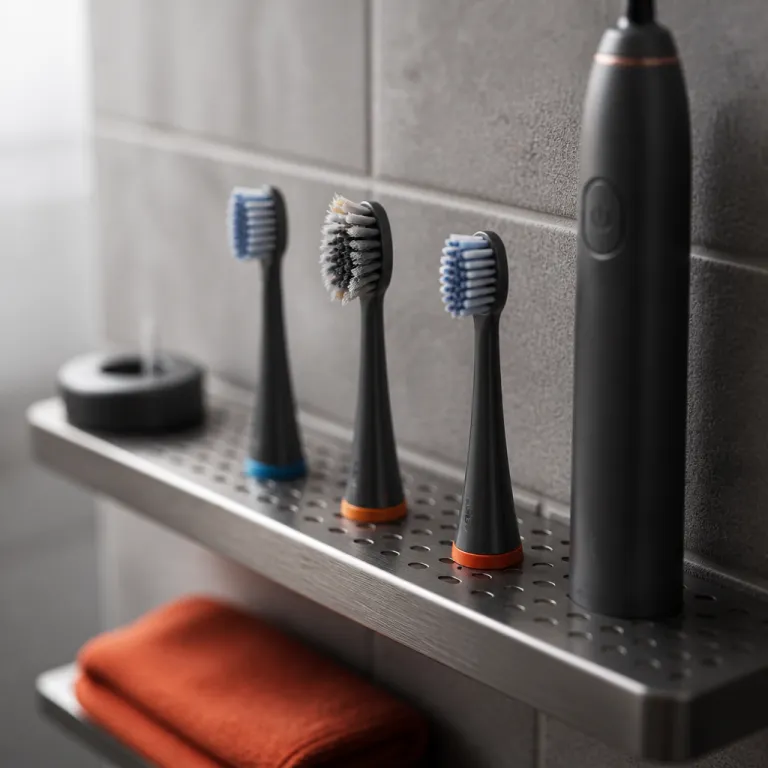
How often are you supposed to change your toothbrush or electric brush head
Most dentists and dental organisations, including the American Dental Association (ADA), advise that your toothbrush or electric brush head should be changed about every three months. That timeframe protects your oral health because worn bristles bend, fray, and stop reaching plaque between your teeth and along your gums. If you often change your brush later than three months, you usually allow more bacteria to stay on the surface of your teeth and under your gums, which can gradually undermine your dental health.
When you brush your teeth twice a day, the bristles experience constant friction against enamel, dental fillings, and plaque deposits, which accelerates wear and reduces effective cleaning after a relatively short time. You might feel that your clean toothbrush still looks acceptable, yet microscopic bacteria and toothpaste abrasives gradually deform each bristle and make your toothbrush less efficient. For both powered electric toothbrushes and classic manual toothbrushes, three months is the maximum time before you should replace your brush head or the manual brush your mouth relies on.
Some people need to replace their toothbrushes or electric toothbrush heads more often than others. If you brush your teeth and your gums vigorously, the bristles may start to flare sideways within a few weeks, which means you should change your brush as soon as you notice that shape. Any time you have been ill with a cold, flu, or throat infection, it is wise to replace your toothbrush early to reduce the risk of reintroducing bacteria or viruses into your oral cavity and harming your dental health again.
Why worn bristles threaten your teeth, gums, and overall dental health
Fresh bristles are designed to flex slightly so they can sweep plaque away from your teeth and massage your gums without scratching. Over time, those bristles become blunt and irregular, which means they smear bacteria across enamel instead of lifting it away and supporting your oral health. When you delay and do not change your toothbrush or replace your electric toothbrush head, you sacrifice effective cleaning and allow sticky plaque to harden into tartar along the line where your teeth and gums meet.
Clinical studies comparing new and worn brushes show that frayed bristles remove significantly less plaque than new ones, even when you brush your teeth for the same amount of time. For example, a 2011 study in the International Journal of Dental Hygiene reported that three‑month‑old toothbrushes removed roughly 30 % less plaque than new brushes under controlled conditions. That loss of performance directly affects your dental health because plaque bacteria release acids that erode enamel and inflame your gums, increasing the risk of cavities and bleeding. If you want a deeper explanation of how often you are supposed to change your toothbrush for healthier teeth and gums, you can read this detailed guide on how often to replace your toothbrush for better oral health, which summarises evidence from peer‑reviewed research and ADA guidance.
Old toothbrushes and neglected electric toothbrushes also collect moisture, toothpaste residue, and food particles, which create a perfect environment for bacteria to multiply. Even if you rinse your toothbrush carefully after every use, a worn brush head with splayed bristles traps more debris and dries more slowly. To keep your toothbrush hygienic and keep your smile bright, you must replace your brush regularly and store it upright in open air so it can dry between uses and protect your teeth and gums from unnecessary exposure to microbes.
Electric toothbrush versus manual electric style brushing: does timing change
People often ask whether an electric toothbrush head can last longer than a manual toothbrush because the motor does more of the work. In reality, the recommendation for how often you are supposed to change your toothbrush or electric brush head remains about three months for both types, assuming normal use and proper care. The difference lies in how consistently electric toothbrushes deliver effective cleaning, which can make it easier to protect your oral health between dental visits.
With an electric toothbrush, the high frequency of movements means the bristles contact your teeth and your gums thousands of times per minute, so they can wear faster if you press too hard. Many premium electric toothbrushes include pressure sensors and timers that help you brush your teeth gently for the right amount of time, which protects both your teeth, your gums, and the bristles. When you notice that the coloured indicator bristles on your toothbrush start to fade halfway, treat that as a signal to change your brush head soon and replace your electric toothbrush head before performance drops.
Manual electric brushing, where you move a powered brush like a manual one, can also shorten the life of the bristles if you scrub aggressively. To keep your electric toothbrush working at its best, let the device glide slowly along your teeth while the motor does the cleaning, and avoid bending the bristles against your gums. If you use a Sonicare or similar model and are unsure how to handle the hardware, this practical guide on how to change the head on your Sonicare toothbrush walks you through replacing your brush head safely and on time.
How to spot the right time to change your toothbrush or brush head
The calendar is helpful, but your toothbrush itself often tells you when it is ready to retire. Look closely at the bristles on your toothbrush or electric brush head and check whether they still stand straight and springy, or whether they start to flare outward and look fuzzy. Once the tips lose their original shape, they cannot reach tight spaces between your teeth or along your gums, so you should change your brush and replace your head even if three months have not passed.
Texture offers another clue about how often you are supposed to change your toothbrush for optimal oral health. When you brush your teeth and notice that the bristles feel rough, scratchy, or less controlled against your enamel, they are probably worn and less capable of effective cleaning, which means bacteria can cling more easily to your teeth and gums. Any lingering odour from your clean toothbrush, or visible stains that do not rinse away, also indicate that it is time to replace your toothbrush and keep your mouth safer.
Pay attention to how your teeth and your gums feel after you brush your teeth as well. If your teeth do not feel as smooth as before, or your gums bleed more often despite gentle technique, your toothbrush may no longer remove plaque efficiently. In that case, change your toothbrush, replace your electric toothbrush head, and review your brushing routine with your dental professional to keep your dental health stable over the coming months.
Special situations: your child, sensitive gums, braces, and medical conditions
Children often chew on the bristles of their toothbrush, which means you may need to change your child’s brush every one to two months instead of waiting for a full quarter. When you help your child brush their teeth twice daily, check whether the bristles start to fan out or show bite marks, because damaged filaments can scratch delicate gums and reduce oral health. Many parents now choose a gentle electric toothbrush for older children, but they still need to replace your child’s brush head regularly to keep your child’s smile bright and free from excess bacteria.
People with sensitive gums, gum disease, or orthodontic appliances also face different challenges when deciding how often to change your toothbrush. Braces, wires, and fixed retainers trap food and plaque around your teeth and gums, so your toothbrush or electric brush head works harder and may wear out before three months, especially if you brush your teeth after every meal. If you live with conditions that weaken your immune system or affect your saliva flow, your dental team may advise you to replace your toothbrush more often to keep your mouth clean and reduce infection risk.
For anyone recovering from oral surgery or managing advanced gum disease, a soft bristle brush or a sensitive electric toothbrush head is essential. In these cases, your dentist may suggest that you often change your brush head to maintain gentle yet effective cleaning while your gums heal. As periodontist Dr Laura Chen notes, “a fresh, soft brush is one of the simplest tools you have to keep your gums calm while they recover.” Always follow your dental professional’s personalised advice about how often you are supposed to change your toothbrush, because your dental history, medications, and lifestyle all influence the best schedule for your oral health.
Daily care habits that keep your toothbrush clean and your smile protected
Replacing your toothbrush on time matters, but how you care for it each day also shapes your oral health. After you brush your teeth, rinse the bristles thoroughly under running water to remove toothpaste foam, loosened plaque, and food particles that bacteria could feed on. Shake off excess water, store your clean toothbrush upright in an open holder, and avoid closed containers that keep your toothbrush damp and encourage bacterial growth near your teeth and gums.
Never share your toothbrush or electric toothbrush head with anyone, even a family member or your child, because that practice transfers bacteria and viruses directly to your gums and your teeth. If you travel often, use a ventilated cap only during transport, then remove it at your destination so the bristles can dry fully between uses and keep your toothbrush fresher for the remaining months of its life. For electric toothbrushes, wipe the handle and the area where you attach the head, because dried toothpaste can trap bacteria and interfere with the secure fit you need for effective cleaning.
Good habits around your toothbrush also support your dental health in ways you can feel. Pair regular brush replacement with fluoride toothpaste, daily flossing, and periodic dental checkups to keep your teeth strong and your gums firm. If you are setting up a routine for your child or upgrading your own routine with electric toothbrushes, this age by age guide to setting up your child’s first electric toothbrush can help you start early, keep your dental habits consistent, and protect your smile over the long term.
Key statistics on toothbrush replacement and oral health
- Surveys from major dental associations show that many adults replace their toothbrush only every 6 to 9 months, even though professionals recommend changing every 3 months to protect oral health and reduce bacteria buildup.
- Clinical research comparing new and three month old brush heads has found that worn bristles can remove up to about 30 % less plaque from teeth and gums, which directly affects dental health outcomes such as cavity rates and gum inflammation.
- Studies on electric toothbrushes report that people who follow the recommended schedule to replace their brush heads every 3 months experience significantly lower bleeding gum scores than those who delay replacement beyond 6 months.
- Public health data indicate that regular brushing with a clean toothbrush and fluoride toothpaste can reduce the risk of tooth decay in permanent teeth by around 25 %, especially when combined with routine dental checkups.
- Among children, research shows that those who use appropriately sized toothbrushes and change them at least every 3 months have fewer plaque deposits and healthier gums than peers who keep worn brushes for longer periods.
FAQ: how often are you supposed to change your toothbrush
How often should I change my toothbrush if I brush more than twice daily
If you brush your teeth three or four times a day, you should expect the bristles on your toothbrush or electric brush head to wear out faster. In that case, plan to replace your toothbrush every 6 to 8 weeks, or as soon as the bristles start to flare or feel rough against your gums. Frequent brushing increases friction and can shorten the effective cleaning life of both manual and electric toothbrushes.
Do I really need to change my toothbrush after being sick
Changing your toothbrush after an illness is a sensible precaution, especially after infections that affect your throat, nose, or mouth. Bacteria and viruses can linger on damp bristles, and while the risk of reinfection is not always high, replacing your brush helps keep your oral health and your immune system better protected. If you have a chronic condition or a weakened immune response, your dental professional will usually recommend changing your toothbrush or electric brush head after each significant illness.
Is an electric toothbrush better for my gums than a manual one
Electric toothbrushes can be better for your gums because they deliver consistent movements and often include pressure sensors that prevent overbrushing. Studies show that many people remove more plaque and reduce gum bleeding when they switch from a manual toothbrush to a quality electric toothbrush, provided they still replace the brush head every 3 months. However, a soft manual brush used with good technique and changed on time can also support excellent dental health.
How can I remember when to replace my toothbrush or brush head
A simple strategy is to align toothbrush changes with the seasons, replacing your brush every three months at the start of a new quarter. Many electric toothbrush apps and smart handles allow you to track usage time and send reminders when it is time to replace your brush head. You can also write the start date on the handle with a waterproof marker so you know exactly when three months have passed.
What type of bristles should I choose to protect my teeth and gums
Dental organisations consistently recommend soft bristles for most people, because they clean effectively without damaging enamel or irritating gums. Medium or hard bristles can feel like they scrub more, but they increase the risk of abrasion and gum recession, especially if you brush your teeth with strong pressure. Choose a soft manual brush or a soft electric toothbrush head, replace it regularly, and let time and gentle technique do the work for your smile.