
Summary
Editor's rating
Is it worth the money compared to Oral‑B and cheaper models?
Looks premium, but the button is a weak spot
Battery life and charging: good, not mind-blowing
In the mouth and in the hand, it’s pretty comfortable
The big question: will it actually last?
Daily use, app, and real-world quirks
What you actually get in the box
Does it actually clean better than a cheap brush?
Pros
- Cleans very well with multiple useful modes and intensity settings
- Comfortable handle and relatively quiet operation for a powerful brush
- Pressure sensor and built-in timer help with better brushing habits
Cons
- Questionable long-term durability, especially around the power button and sealing
- Only one brush head included and replacement heads are expensive
- Travel case feels basic and doesn’t offer charging despite the premium price

Specifications
View full product page →| Brand | Philips |
Premium toothbrush or overpriced gadget?
I’ve been using Philips Sonicare brushes on and off for a while, and I recently switched to the DiamondClean 9000 in dark blue. I didn’t get it for the fancy app or the marketing claims about 10x more plaque; I just wanted a brush that cleans well, looks decent in the bathroom, and doesn’t die after a year. This one is pitched as the “smart”, premium Sonicare with multiple modes, Bluetooth, and a travel case, so I went in with slightly high expectations but also a bit of suspicion.
From day one, the cleaning power felt strong. If you’re coming from a manual toothbrush or a cheap electric, you’ll notice the difference right away. My teeth felt smoother after the first use, and after a few days it did feel like plaque build-up was reduced, especially around the gum line. So in terms of pure brushing, it does the job and then some. You feel like you’ve actually cleaned your mouth properly, not just waved a vibrating stick around.
But once you get past the first week, you start to notice the small annoyances and potential issues. Things like the flimsy travel case, the fact that the app needs to stay open to track your brushing, and the long-term reliability complaints (buttons getting stuck, brushes dying just after warranty) make you question the price. When you pay this much for a toothbrush, you expect both strong performance and a decent lifespan, not just a shiny handle and a fancy name.
So this review is basically: good cleaner, nice in the hand, but with enough drawbacks that I’d think twice before blindly recommending it. I’ll break down what works and what doesn’t in terms of design, performance, battery, durability, and value, so you can decide if you want to spend this kind of money on a toothbrush or just go for a cheaper Sonicare or an Oral-B instead.
Is it worth the money compared to Oral‑B and cheaper models?
On value, this brush sits in a slightly awkward spot. It’s clearly positioned as a premium product: nice design, multiple modes, Bluetooth, travel case, and all the marketing about plaque and whitening. In terms of cleaning performance, it does feel like a premium brush. Your teeth feel very clean, and the modes and intensity settings give you some flexibility. So if you only look at how it cleans, you can justify paying more than a basic electric.
But once you factor in the price of replacement heads, the fairly basic travel case, and the durability concerns, it starts to feel less attractive. You only get one C3 head in the box, and Philips heads are not cheap, especially compared to some Oral‑B refills or third-party options. Over a few years, the running cost adds up. Then there’s the fact that some people are replacing the whole handle after about two years because of design flaws, while their older Oral‑B brushes are still going strong. That’s not ideal when you’re paying premium money.
The smart features (Bluetooth, app) don’t really tip the scale for me either. The app is fine but not life-changing, and needing it to be open for full tracking is annoying. Most users will play with it for a few days and then never open it again. So you’re basically paying partly for features you might not use. If the brush was rock-solid for 5+ years, I’d say fine, but with the current track record, the value is more “good but not great”.
So, is it worth it? If you like Sonicare’s sonic feel, care about how the brush looks, and you’re okay with possibly replacing it in a few years, then yes, it’s a decent buy and it definitely gets your teeth clean. But if you’re on the fence, or if longevity and low running costs matter a lot to you, I’d seriously compare it with a solid Oral‑B model or a cheaper Sonicare without all the smart extras. You might lose some style points but save money and hassle in the long run.
Looks premium, but the button is a weak spot
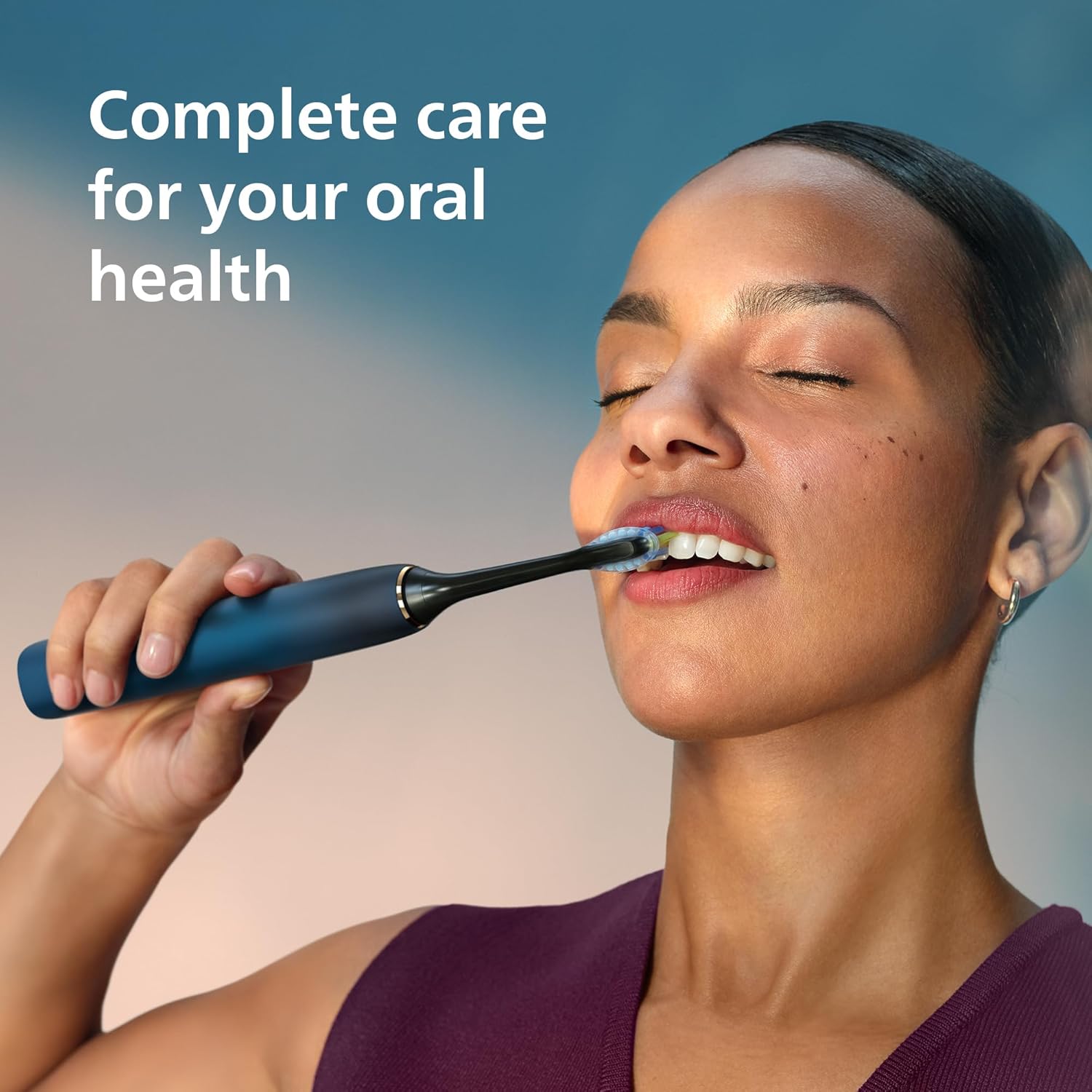
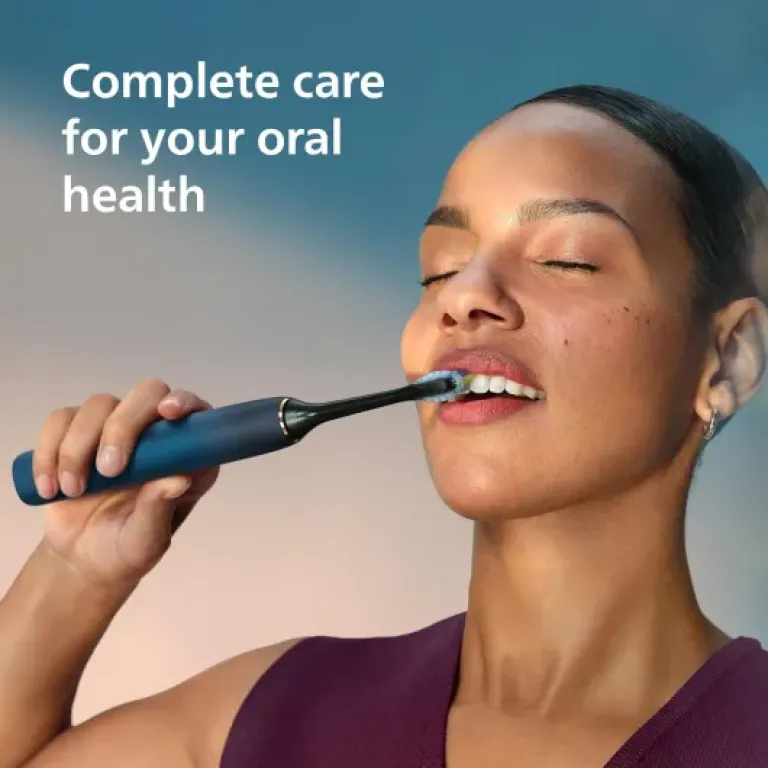
Design-wise, this DiamondClean 9000 is pretty solid. The dark blue ombré finish looks good on the sink, and it doesn’t scream “medical device” like some white-and-blue plastic brushes. The shape is slim and fairly ergonomic, with a matte feel that doesn’t slip too much even with wet hands. It feels more like a gadget than a bathroom tool, which some people will like. The weight is reasonable and a bit lighter than some older Sonicare models, so it doesn’t feel like you’re holding a brick.
The layout is simple: one main power button and one button to switch modes. You’ve got four modes: Clean, White+, Gum Health, and Deep Clean+. Then you can tweak intensity in three levels. In practice, I mostly used Clean and sometimes Deep Clean+ at medium intensity. The others are nice to have but feel a bit like filler if you’re not picky. Still, it’s good that you can drop the intensity if you have sensitive gums. The LEDs for mode and battery are clear enough and easy to read in normal bathroom lighting.
The big design complaint, and it’s not just mine, is the power button area. It’s not particularly well protected from water and toothpaste gunk. Over time, that stuff creeps in. Several users mention the brush turning itself on randomly once the button starts to fail, and the vibration noise is loud enough that you’ll hear it in the next room. One guy said his wife thought someone was drilling next door, which sounds funny until it’s 2am and your toothbrush decides to party on its own. The only workaround is leaving it on the charger to keep it stable.
So in short: the design looks good and feels nice in the hand, but the weak point is the button and sealing. For a product that lives in water and toothpaste, that should have been the most robust part. Compared to some Oral‑B models that are uglier but more sealed and rubbery, Philips went more for aesthetics here than pure durability. If you’re neat and rinse/wipe carefully, you might be fine, but if you’re rough with your bathroom gear, keep this in mind.
Battery life and charging: good, not mind-blowing
Battery life on the DiamondClean 9000 is decent and in line with what you’d expect from a modern rechargeable toothbrush. With two normal brushing sessions per day on the standard Clean mode, I was getting roughly two to three weeks before the battery indicator started getting low. That’s roughly what other users report as well. So you’re not constantly charging it, which is nice if you don’t like extra cables and chargers cluttering the sink area.
The charging system uses a small base and a puck. You just drop the brush on it, and it starts charging automatically. It’s simple and doesn’t take up much space. There’s no USB charging directly on the handle, so you’re stuck with the supplied 2‑pin bathroom plug. For most people in the UK with a shaver socket, that’s fine. If you travel a lot to places without that kind of socket, you’ll be relying on adapters or charging it fully before you leave, since the travel case doesn’t charge the brush at all.
From empty to full, it charges fairly quickly – a couple of hours is enough to get plenty of runtime back, and an overnight charge will easily top it up fully. The brush doesn’t seem to lose performance as the battery drains, which is important. Nobody wants a brush that slowly gets weaker before dying. Here, it stays consistent and then just tells you when it’s time to charge with the battery light.
Overall, the battery situation is fine. Not groundbreaking, not awful. It gets the job done without you needing to think about it much. I do think Philips missed a trick by not giving this model a charging travel case or at least a USB charging option, especially at this price. But if you mostly keep it at home and only travel occasionally, the battery life is good enough that it’s not a daily headache.
In the mouth and in the hand, it’s pretty comfortable
In terms of comfort, I actually like using this brush. The handle is slim, and the surface has just enough grip that it doesn’t feel like it will fly out of your hand when it’s wet. Compared to chunkier models or older Sonicare handles, this one feels a bit more balanced. You can hold it lightly without cramping your fingers, even during the longer Deep Clean+ mode, which runs a bit longer than the standard 2 minutes.
The C3 Premium Plaque Control head is on the firmer side. The bristles aren’t super soft, but they’re not brutal either. If you’re used to soft manual brushes, the first couple of days might feel a bit intense, especially at higher intensity settings. I ended up running it at medium power most of the time. The head shape is slightly diamond-shaped, and it reaches behind the back molars and along the gumline fairly easily. I didn’t get any major gum irritation, but I can see why some people with very sensitive gums might want to stick to the lower intensity or try a softer head.
The sonic vibration itself is different from the oscillating-rotating movement of Oral‑B. With Sonicare, you get more of a buzzing feel than a mechanical scrubbing. The first time, it can feel weird, especially on the front lower teeth where vibrations tend to tickle. After a few days, you stop noticing it, and it just feels like a strong but controlled clean. Noise-wise, it’s quieter and less harsh-sounding than cheaper electrics or some Oral‑B models, which is nice if you share a bathroom or brush early in the morning.
Overall, I’d say comfort is one of its stronger points. Once you dial in the right intensity and get used to the head, it’s easy to use twice a day without thinking about it. The built-in timer that pulses to tell you to move to another quadrant helps you not overdo one area. For everyday use, it’s comfortable enough that you don’t dread brushing, which is honestly half the battle with electric brushes.
The big question: will it actually last?
This is where the Sonicare DiamondClean 9000 gets tricky. When it’s new, it feels solid: the handle doesn’t creak, the finish looks good, and nothing feels loose. But if you dig into user reviews and long-term feedback, a pattern shows up. A lot of people say these brushes tend to fail around the 2 to 2.5 year mark, often just after the warranty ends. You see comments like “breaks just after warranty stops” and stories about buttons failing or the brush turning on by itself in the middle of the night.
The most common issue seems to be the power button area not being well sealed. Water and toothpaste gradually get inside, and over time the electronics start acting up. One user said the brush started randomly switching on, with vibrations loud enough to be heard around the house, and the only way to stop it was to keep it on the charger. That doesn’t exactly inspire confidence. For something that lives next to a sink and is constantly wet, this feels like a design flaw more than bad luck.
Philips does offer a 2‑year global warranty, and some buyers mention getting a 3‑year warranty now, which is at least some protection. During that period, if it fails, you can usually get it repaired or replaced. But if you’re comparing it to an Oral‑B where people casually mention using the same handle for many years, it’s hard to ignore the durability gap. There are definitely people whose Sonicare units last longer, but there are enough complaints that I wouldn’t call this brush long-lived by default.
So, durability-wise, I’d say: treat it carefully, rinse and wipe around the buttons after each use, and don’t store it constantly soaked. Even then, be mentally prepared that this might be more of a 2–3 year product than a long-term workhorse. For the price bracket, that’s a bit disappointing. If reliability over many years is your top priority, you might want to look at simpler or more robust models, even if they look less sleek.
Daily use, app, and real-world quirks
Using this thing every day, it mostly behaves like a solid high-end toothbrush with some smart extras that you may or may not care about. The vibration strength is there: 62,000 movements per minute sounds like marketing talk, but in the mouth it just translates to strong, fast buzzing that dislodges gunk pretty effectively. It doesn’t stall or choke when you move it around, even if you press a bit harder than you should, though the pressure sensor will complain if you really lean on it.
The Bluetooth and app side of it is where I’m a bit less impressed. Yes, it connects to the Sonicare app, and yes, the app can track your brushing sessions and suggest the right mode and intensity. But the catch is: the app needs to be open while you brush to get full tracking. That means standing in the bathroom with your phone screen on for two minutes twice a day. Personally, that got old fast. After the novelty wore off, I just ignored the app and used the brush like a regular electric. You still get the vibration reminders to change quadrants even without the app, which is the part that actually matters.
In day-to-day use, switching modes and intensities is simple enough, but it’s not something you’ll constantly tweak. Most people will pick a favorite mode and stick with it. The brush also remembers the last mode you used, so you don’t have to scroll through every time. Performance-wise, the brush doesn’t lose power as the battery runs down, at least not in any way I could feel. It’s full strength until it needs a charge, which is what you want.
The main performance caveat is the long-term design issue around the power button and internal sealing. Several users report that after about two years, moisture and toothpaste residue start to cause problems: random turn-ons, buttons not responding properly, and eventually total failure. While mine hasn’t reached that point yet, this pattern is common enough in reviews that I’d take it seriously. During warranty, Philips is usually okay with repairs or replacements, but once you’re just outside that window, you’re basically stuck. So, daily performance is good, but the long-term reliability is a question mark.
What you actually get in the box
Out of the box, the Philips Sonicare DiamondClean 9000 feels like a higher-end product, but not over the top. You get the handle in this dark blue / ombré finish, one C3 Premium Plaque Control brush head, a charging base with a little puck, and a hard travel case. That’s it. For the price, I honestly expected at least one extra head, but no, you get just the single one, so you’ll be buying refills pretty fast if two people want to share it or if you replace heads on the recommended schedule.
The handle itself looks clean: a couple of buttons, some mode indicators, and that’s about it. No clutter, no giant plastic rings like some Oral‑B models. Philips also throws in the typical paperwork and a 2‑year global warranty, with some sellers mentioning 3 years now, which is reassuring on paper given how many people report failures around the 2–2.5 year mark. You also get a UK 2‑pin bathroom plug, which is standard for shaver sockets here, so at least you don’t have to mess around with adapters if you’re in the UK.
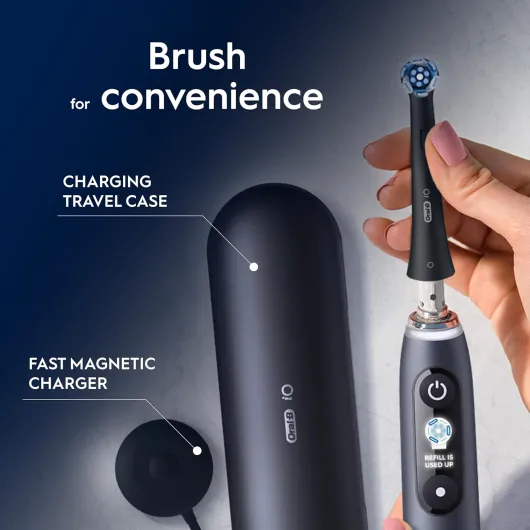
One thing to be clear about: the travel case is just a case. It protects the handle and head, and it’s decent for throwing in a bag, but it does not charge the brush. Some older DiamondClean models had a charging case, so if you’re expecting that, you’ll be disappointed. A few reviewers called the case cheap and nasty; I wouldn’t go that far, but it definitely doesn’t feel premium. It’s more functional than nice. It closes fine, but the plastic doesn’t match the price tag of the brush.
Overall, the presentation is clean and fairly minimal. You don’t get a mountain of accessories, just the basics. If you like a simple setup and don’t care about a bunch of extras, it’s fine. But for this price range, I think Philips could easily have thrown in a second brush head and a better travel case without losing money. It’s one of those products where you feel like you’re paying mostly for the handle and the brand name.
Does it actually clean better than a cheap brush?
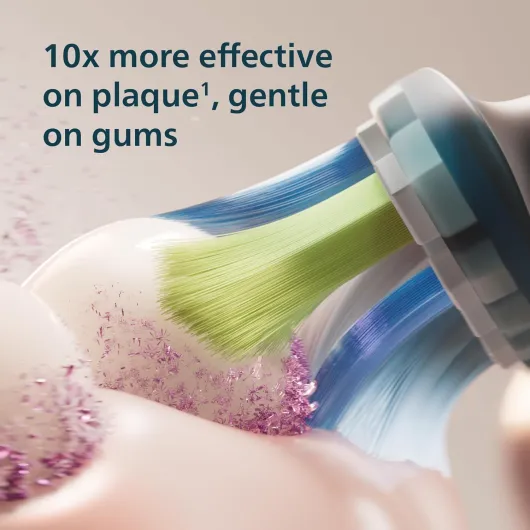
On cleaning power, this thing is solid. Philips claims up to 10x more plaque removal than a manual brush and whiter teeth in three days. I can’t measure plaque in a lab, but I can say this: compared to a manual toothbrush and even compared to some cheaper electrics, my teeth felt noticeably smoother after brushing with the DiamondClean 9000. The feeling you get when you run your tongue over your teeth and they feel almost glassy – you do get that with this brush, especially around the gumline and between teeth where plaque normally hangs around.
The four modes are not just marketing fluff; they do feel a bit different. Clean is the standard and is what I used 80% of the time. Deep Clean+ adds a longer, slightly more intense session, good if you’ve been snacking all day or skipped a brushing. White+ focuses more on the front surfaces, and I did notice some improvement with surface stains from coffee and tea after a few days, but don’t expect dentist-level whitening. Gum Health is a bit gentler and focuses more around the gumline, which is nice if your gums bleed easily.
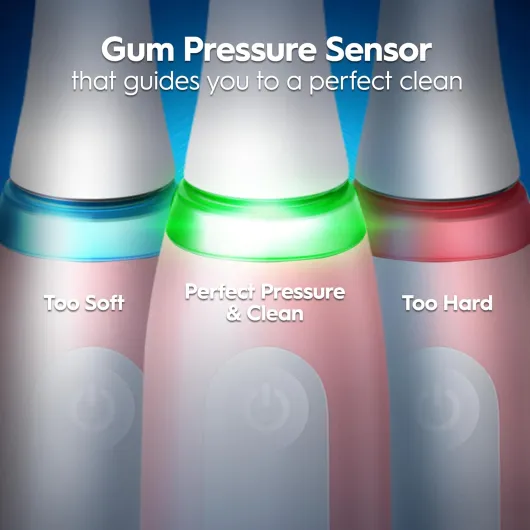
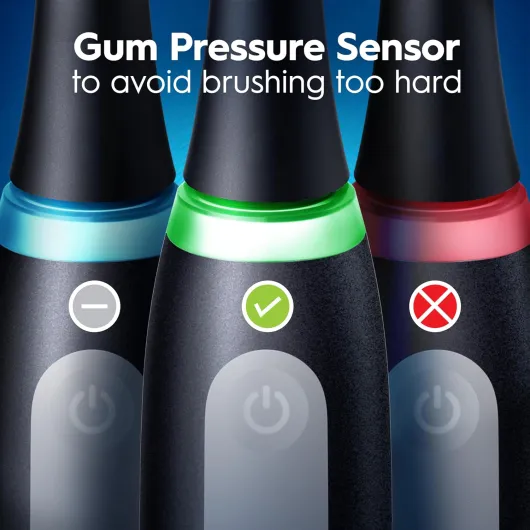
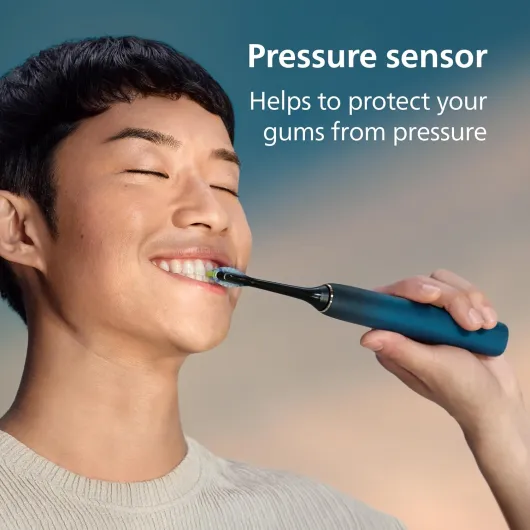
One useful feature is the pressure sensor. It doesn’t scream at you, but it gives feedback when you’re pressing too hard. That matters with a strong sonic brush because it’s easy to overdo it and irritate your gums. The built-in timer that nudges you every 20 or 30 seconds (depending on the mode) to move to another part of your mouth helps you not rush. If you actually follow it, you do end up with a more even clean instead of obsessing over just the front teeth.
So, in practice, yes, it cleans very well. If you’re upgrading from a manual brush or a very basic electric, you’ll feel the difference in a few days. Your dentist probably will too, at least in terms of plaque and gum health. Just don’t expect miracles on deep stains or long-term discoloration – that still needs professional work or proper whitening products. This brush handles daily cleaning and maintenance very well, but it’s not a magic wand.
Pros
- Cleans very well with multiple useful modes and intensity settings
- Comfortable handle and relatively quiet operation for a powerful brush
- Pressure sensor and built-in timer help with better brushing habits
Cons
- Questionable long-term durability, especially around the power button and sealing
- Only one brush head included and replacement heads are expensive
- Travel case feels basic and doesn’t offer charging despite the premium price
Conclusion
Editor's rating
The Philips Sonicare DiamondClean 9000 is one of those products that does the main job very well but stumbles on the boring stuff. In daily use, it’s a strong performer: your teeth feel clean, surface stains from coffee and tea are kept under control, and the different modes and intensities actually have some use. The handle is comfortable, the noise level is reasonable, and the pressure sensor and timer help you brush properly without overdoing it. If you’re upgrading from a manual brush or a cheap electric, you’ll notice the difference within a few days.
The problem is everything around that core performance. The travel case is basic and doesn’t charge. You only get one brush head in the box. The app is more of a novelty than a real necessity, especially since it has to stay open while you brush. And then there’s the big one: durability. Too many people report these handles failing around the 2–2.5 year mark, often because of moisture getting into the power button area. For a brush in this price range, that’s hard to ignore. Yes, the warranty covers you for a while, but if you’re replacing the whole thing every few years, the long-term value isn’t great.
I’d recommend this to someone who really likes the Sonicare feel, wants a brush that looks nice on the sink, and doesn’t mind paying for that extra bit of polish and smart features, knowing it might not be a 10‑year companion. If you’re more practical and just want a tough brush that will last as long as possible, or you’re already happy with Oral‑B, I’d probably stick with that route or look at a simpler, cheaper Sonicare. Good toothbrush, just not the most sensible buy for everyone.